
 Save
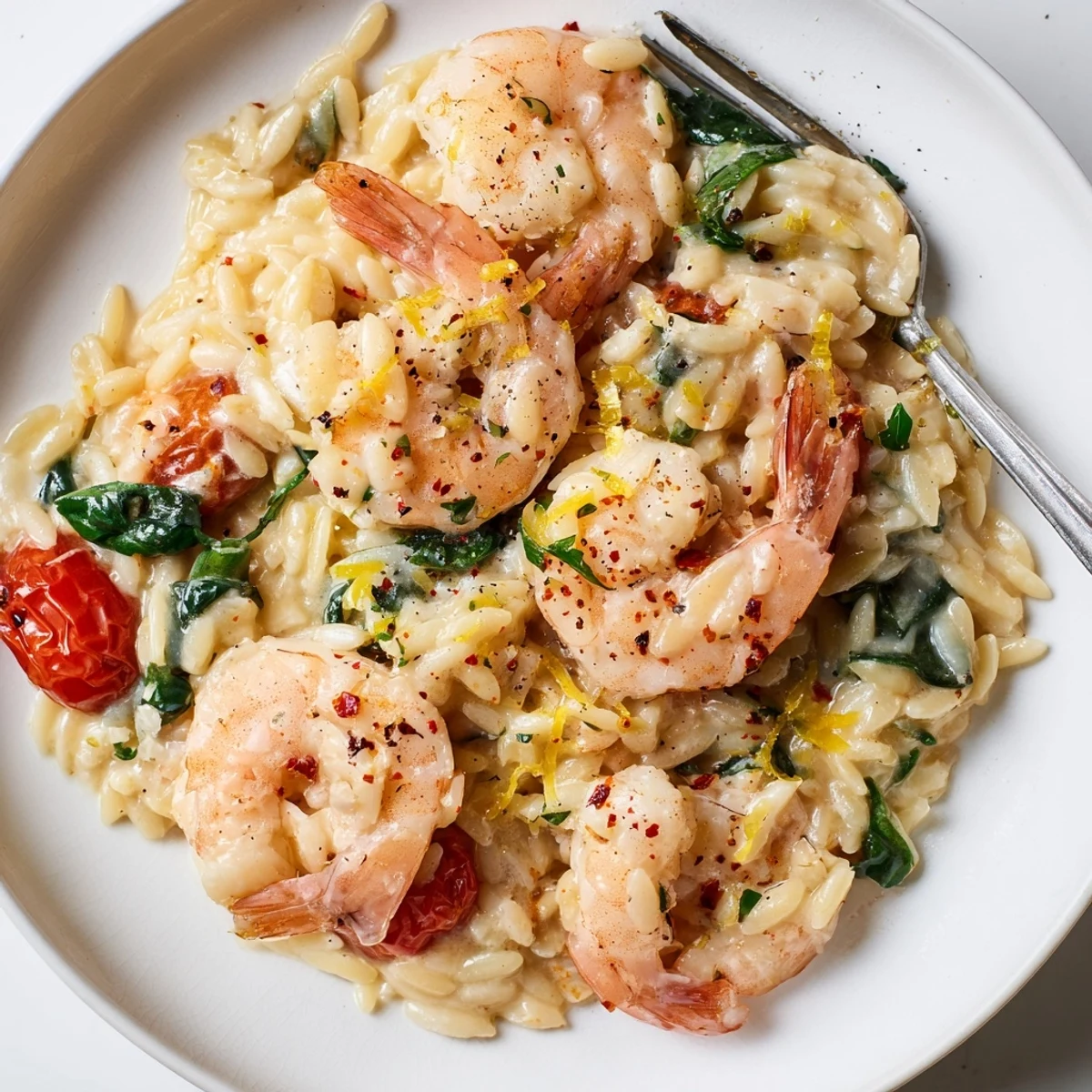
Save Start by searing seasoned shrimp in olive oil until just opaque, then set aside. Sauté onion and garlic, add halved cherry tomatoes and toast the orzo briefly. Deglaze with white wine, then simmer with broth until the orzo is almost tender and most liquid is absorbed. Stir in heavy cream and Parmesan, return shrimp and spinach, cook until wilted. Finish with lemon zest and parsley; serves four in about 35 minutes.
The sizzle of shrimp hitting a hot pan on a Tuesday evening changed my entire relationship with weeknight cooking. I had resigned myself to sad freezer meals until a friend dumped a bag of orzo on my counter and declared we were making something extraordinary with whatever was in the fridge. Forty minutes later we were scraping the skillet clean with bread, barely pausing to breathe between bites.
I made this for my sister the night she passed her licensing exam, and she sat on my kitchen floor eating it straight from the pan because neither of us wanted to wait for bowls.
Ingredients
- 1 lb large shrimp, peeled and deveined: Buy the biggest shrimp you can find because they stay juicy and plump through the quick sear.
- 1 and a half cups orzo pasta, uncooked: This tiny rice shaped pasta is the secret to a dish that feels luxurious but eats like comfort food.
- 2 tbsp olive oil: A good fruity olive oil makes a real difference here since it is the base for everything.
- 1 small onion, finely chopped: Sweetness builds from this humble starting point so do not skip it.
- 3 cloves garlic, minced: Fresh garlic only because the jarred stuff tastes flat and metallic next to real shrimp.
- 1 cup cherry tomatoes, halved: They burst during cooking and create little pockets of bright acidity throughout the creamy sauce.
- 2 cups baby spinach: It wilts down to almost nothing so add more than you think you need.
- Half a cup dry white wine: Pinot Grigio or Sauvignon Blanc work beautifully and you get to drink the rest of the bottle with dinner.
- 3 cups low sodium chicken or vegetable broth: Low sodium is nonnegotiable because the reduction concentrates all the salt.
- Half a cup heavy cream: Just a splash transforms the whole dish into something velvety without feeling heavy.
- Half a cup freshly grated Parmesan cheese: Grate it yourself off the block because pre shredded Parmesan coated in cellulose will not melt smoothly.
- 1 tsp smoked paprika: This single teaspoon adds a subtle campfire warmth that makes people ask what your secret ingredient is.
- Quarter tsp crushed red pepper flakes: Optional but they give a gentle hum of heat in the background of every bite.
- Salt and black pepper: Season in layers at each stage rather than all at once at the end.
- Zest of 1 lemon: Stirred in at the very end it wakes up every flavor on the plate.
- 2 tbsp fresh parsley, chopped: Fresh herbs at the finish signal that you care about the details.
Instructions
- Get the shrimp going:
- Heat the olive oil in a large skillet over medium high heat until it shimmers, then add the shrimp seasoned with a pinch of salt, pepper, and the smoked paprika. Cook them for two to three minutes per side until they curl into pink C shapes and are just opaque, then pull them out and set aside on a plate.
- Build the flavor base:
- Drop the heat to medium and add the chopped onion, stirring for two to three minutes until it turns translucent and sweet smelling. Add the minced garlic and stir for one more minute until your kitchen smells impossibly good.
- Toast the orzo:
- Pour in the halved cherry tomatoes and the dry orzo, stirring everything together for about a minute so the pasta gets lightly toasted in the residual oil. This tiny step adds a nutty depth you will notice in the finished dish.
- Deglaze with wine:
- Pour in the white wine and use your wooden spoon to scrape up every brown bit stuck to the bottom of the pan because that concentrated flavor is culinary gold. Let it simmer until the liquid reduces by about half and loses its sharp alcohol smell.
- Simmer the pasta:
- Add the broth, stir well, and bring everything to a gentle bubble before covering the pan with a lid. Cook for eight to ten minutes, lifting the lid to stir occasionally, until the orzo is almost tender and has soaked up most of the liquid.
- Make it creamy:
- Stir in the heavy cream and Parmesan, watching the sauce turn silky and coats the back of your spoon. Return the shrimp to the pan along with the baby spinach and cook for two to three more minutes until the spinach wilts and the shrimp is warmed through, then taste and adjust the salt and pepper.
- Finish and serve:
- Remove from the heat and stir in the lemon zest and chopped parsley just before serving so their bright flavors stay vibrant and fresh. Serve it hot in shallow bowls with extra Parmesan on the table.
 Save
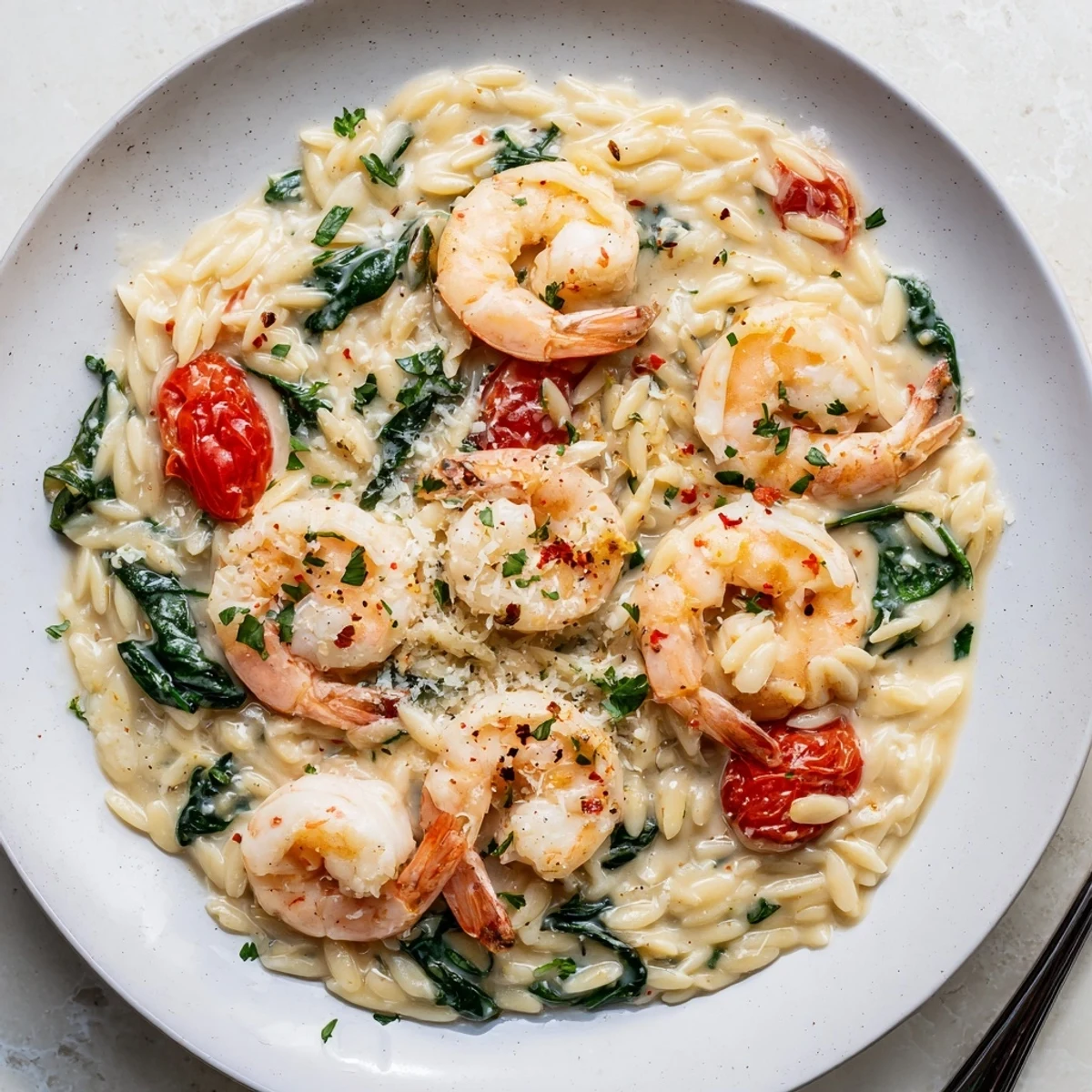
Save A neighbor knocked on my door one evening asking to borrow salt, caught a whiff through the hallway, and ended up staying for dinner with a bottle of wine she had been saving for exactly this kind of spontaneous moment.
The Right Pan Changes Everything
Use a twelve inch skillet with deep sides and a tight fitting lid because this recipe needs room to reduce liquid without splashing over your stovetop. A nonstick pan works fine but a stainless steel or cast iron skillet will give you better fond on the shrimp, which translates directly into deeper flavor throughout the dish.
Swaps and Shortcuts Worth Trying
Half and half works in place of heavy cream if you want something a bit lighter, though the sauce will be slightly less thick. Arugula is a peppery alternative to spinach, and a pinch of cayenne can stand in for red pepper flakes if that is what your pantry offers. For a non alcoholic version, replace the wine with an equal splash of lemon juice mixed with broth.
Storage and Reheating Notes
Leftovers keep well in an airtight container in the refrigerator for up to three days, though the orzo will absorb more liquid as it sits so expect a thicker texture on day two. Reheat gently in a skillet with a splash of broth or water, stirring until everything is warmed through without overcooking the shrimp a second time.
- Freezing is not recommended because cream sauces tend to separate and shrimp becomes unpleasantly tough after thawing.
- If meal prepping, cook the orzo separately and store the sauce and shrimp in their own container for the best texture when you reassemble.
- Always garnish with fresh parsley and lemon zest after reheating rather than before storing so the bright notes hit fresh.
 Save
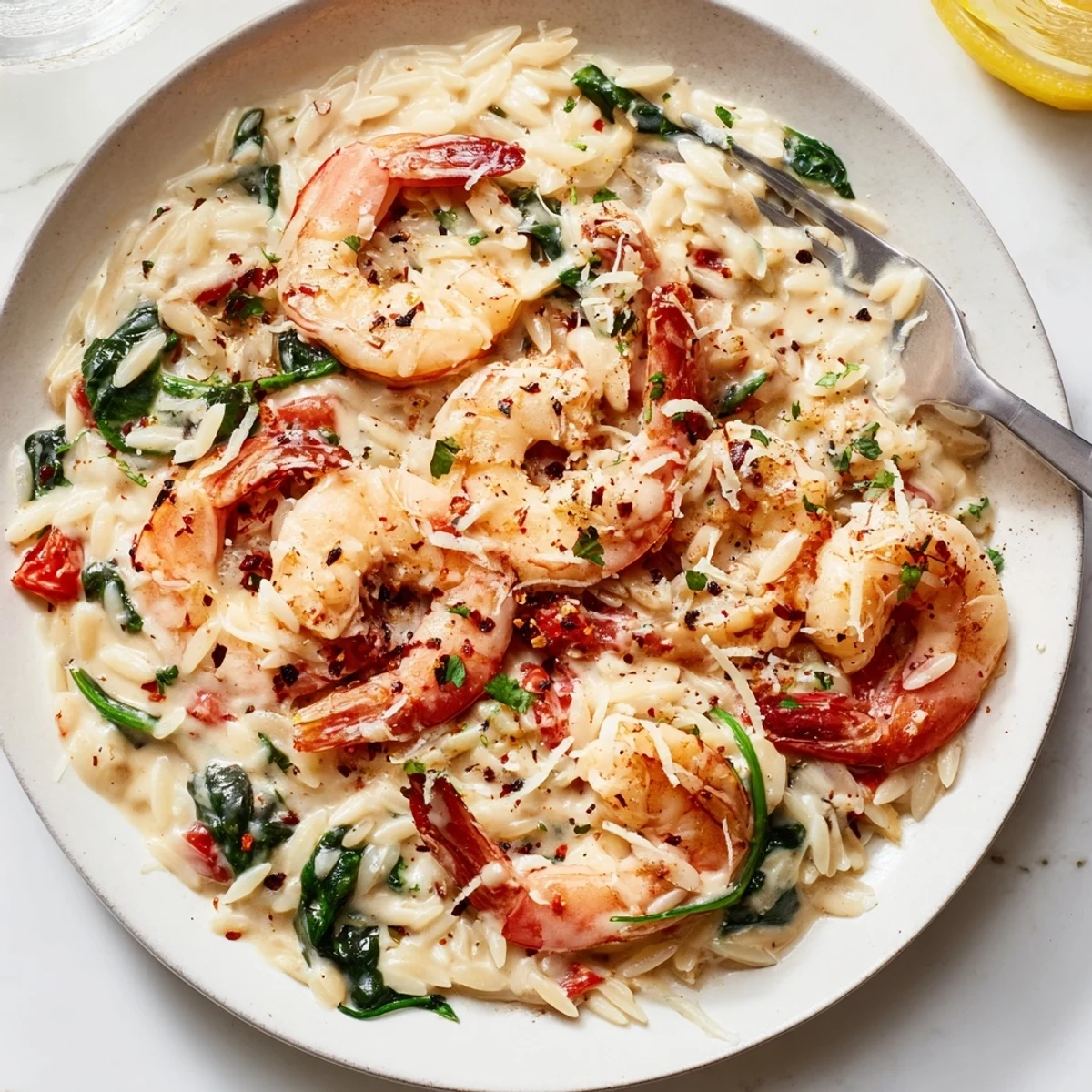
Save This is the kind of recipe that turns a random weeknight into something worth remembering, one creamy forkful at a time. Share it with someone who deserves a little warmth on their plate.
Recipe FAQs
- → Can I use frozen shrimp?
-
Yes. Thaw completely, pat dry to remove excess moisture, then season and sear; frozen shrimp release more water, so drying them helps achieve a good sear and prevents the sauce from becoming thin.
- → What can I substitute for heavy cream?
-
Use half-and-half for a lighter finish or stir in milk with a tablespoon of butter to add richness. The sauce will be a bit looser, so simmer slightly longer to concentrate it if needed.
- → How do I prevent the orzo from sticking or becoming mushy?
-
Toast the orzo briefly before adding liquids, maintain a gentle simmer, and stir occasionally. Follow the broth absorption and taste for doneness; avoid overcooking and add a splash more broth if it dries too fast.
- → Can this be made ahead of time?
-
Partially. Cook the orzo and sauce, cool, and refrigerate separately from the shrimp. Reheat gently with a splash of broth or cream and fold in freshly cooked or briefly reheated shrimp to avoid toughness.
- → What wine pairs well with this dish?
-
A chilled Sauvignon Blanc or an unoaked Chardonnay complements the lemony brightness and creamy Parmesan, while a light Vermentino can enhance the Mediterranean aromatics.
- → Can I swap the spinach for another green?
-
Yes. Arugula adds a peppery bite and should be added at the end; kale or Swiss chard need a few extra minutes of cooking and can be added earlier with the broth.