
 Save
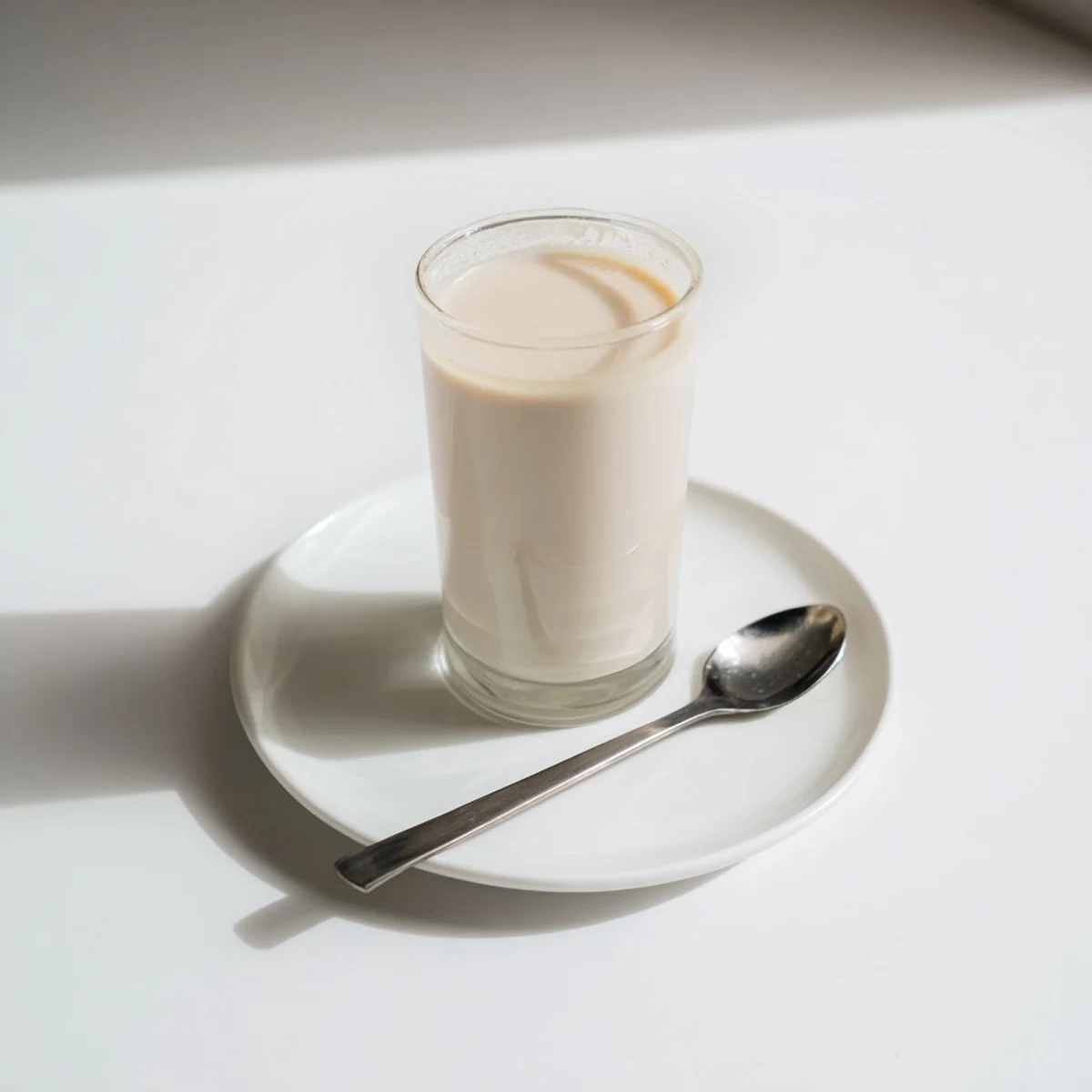
Save Transform raw almonds into silky, dairy-free milk with this straightforward technique. After soaking almonds overnight, blend them with fresh water and optional sweeteners like maple syrup or vanilla. Strain through a nut milk bag or cheesecloth for the smoothest results. The process takes just 10 minutes of active time and yields about 1 liter of fresh almond milk that stays fresh in the refrigerator for 4-5 days. Customize the sweetness and flavor to your preference, and save the leftover pulp for adding fiber to smoothies, baked goods, or energy bites. This homemade version is more economical and customizable than store-bought alternatives.
The blender was screaming at six in the morning and my roommate came stumbling out of her bedroom thinking the building was on fire. That is the actual story of my first batch of homemade almond milk, and honestly it still makes me laugh every time I soak a cup of almonds now. Store bought almond milk never quite hits the same once you realize how ridiculously simple the real thing is. Ten minutes of active work and a little patience while the almonds soak is all it takes to have something genuinely creamy and fresh sitting in your fridge.
I started making this weekly after realizing the ingredient list on my favorite store brand included carrageenan and something called natural flavor that I could never quite identify. My sister visited last spring and watched me strain a batch at the kitchen counter, declared me a health nut, then drank the entire liter within two days.
Ingredients
- Raw almonds: One cup is all you need, and raw is important because roasted changes the flavor entirely into something more dessert like than everyday milk.
- Filtered water: Four cups give you a standard consistency, but drop to three if you want something luxuriously thick for pouring over granola.
- Maple syrup or sweetener of choice: One to two tablespoons is entirely optional, but a touch of maple rounds out the flavor beautifully without making it overly sweet.
- Vanilla extract: One teaspoon adds warmth and makes the milk feel complete, though you can skip it for a more neutral result.
- Sea salt: Just a pinch lifts every other flavor and prevents the milk from tasting flat.
Instructions
- Soak the almonds:
- Cover your raw almonds with plenty of water in a bowl and let them sit at room temperature for at least eight hours or overnight in the fridge. You will know they are ready when they look plump and you can pinch one easily between your fingers.
- Blend until creamy:
- Drain and rinse the soaked almonds well, then dump them into your blender with four cups of fresh filtered water. Run the blender on high for one to two minutes until the mixture looks completely smooth and frothy on top.
- Add flavorings if you like:
- Toss in your maple syrup, vanilla extract, and a pinch of sea salt, then blend for just a few seconds to bring everything together. Taste it and adjust the sweetness before you move on to straining.
- Strain the milk:
- Drape a nut milk bag or a piece of cheesecloth over a large bowl or jug and slowly pour the blended mixture through it. The liquid that passes through is your almond milk, and the solids left behind are the pulp.
- Squeeze out every last drop:
- Gather the edges of the bag or cloth together and squeeze firmly with clean hands to extract as much milk as you possibly can. This part is oddly satisfying and you will be surprised how much extra liquid comes out with a second press.
- Store and enjoy:
- Pour the finished milk into a clean glass bottle or jar with a tight lid and keep it refrigerated for up to five days. Always give it a vigorous shake before pouring because separation is completely natural and expected.
 Save
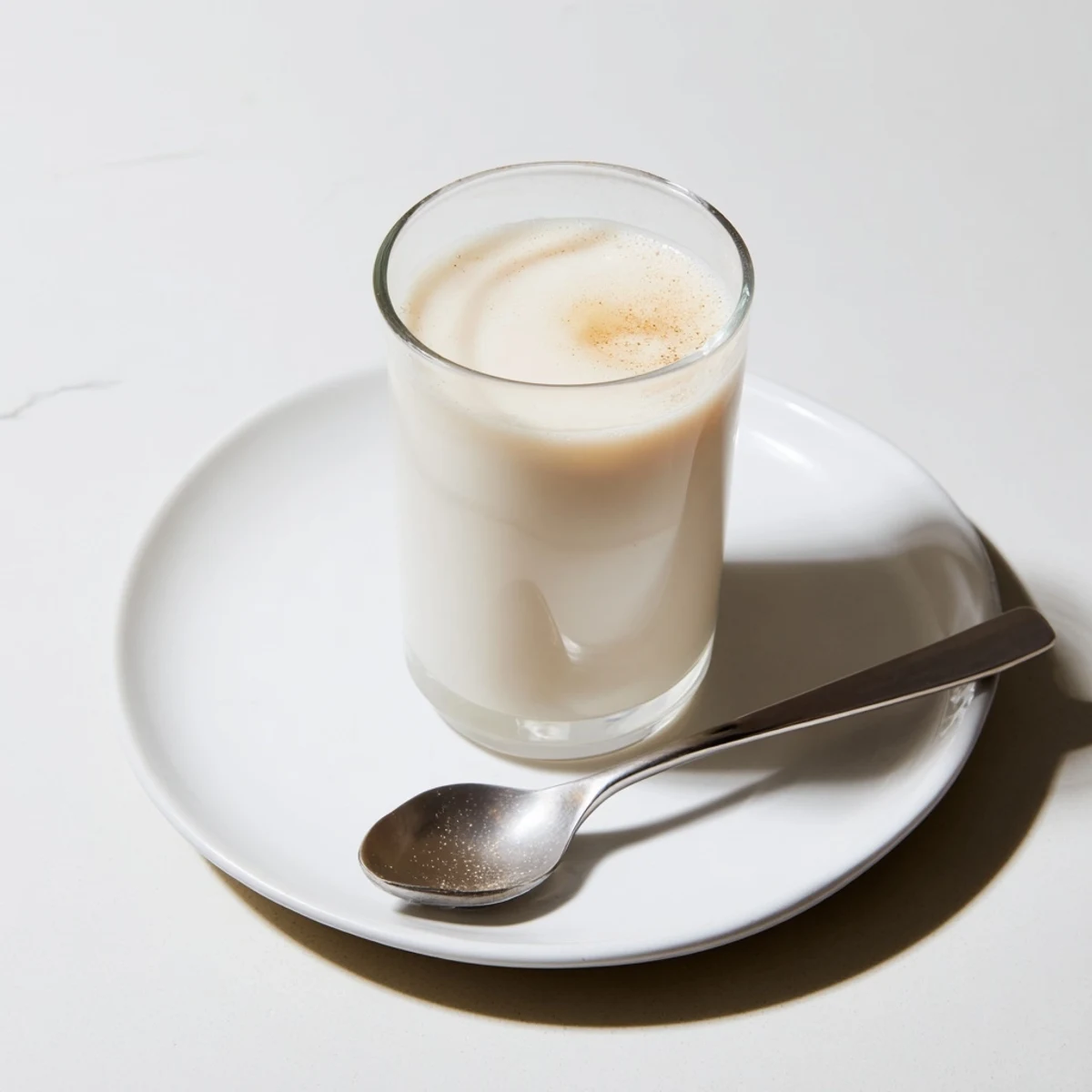
Save Pouring a cold glass of this over ice on a hot afternoon feels like a small act of self care that costs almost nothing and takes zero effort once it is in the fridge.
What to Do With Leftover Pulp
The first few times I made almond milk I threw the pulp away and felt a twinge of guilt about wasting food. Now I freeze it in small batches and fold it into pancake batter, muffins, or homemade energy balls where it adds bulk and a subtle nuttiness that actually improves the texture.
Flavor Variations Worth Trying
Add a tablespoon of cocoa powder and a little extra maple syrup for chocolate almond milk that tastes like a grown up version of childhood. A whole cinnamon stick steeped in the finished milk for a few hours gives you something warm and spiced that is wonderful in oatmeal during colder months.
Storage and Freshness
Homemade almond milk lacks the stabilizers and preservatives in commercial brands, which is both its greatest strength and its one limitation. It will separate in the fridge and that is perfectly normal, so just shake it well each time you use it.
- Write the date on your storage jar with a piece of tape so you never have to guess whether it is still good.
- If the milk smells sour or tastes fizzy on your tongue, it has turned and should be discarded.
- Freeze any extra in ice cube trays for smoothies if you realize you cannot finish the batch within five days.
 Save
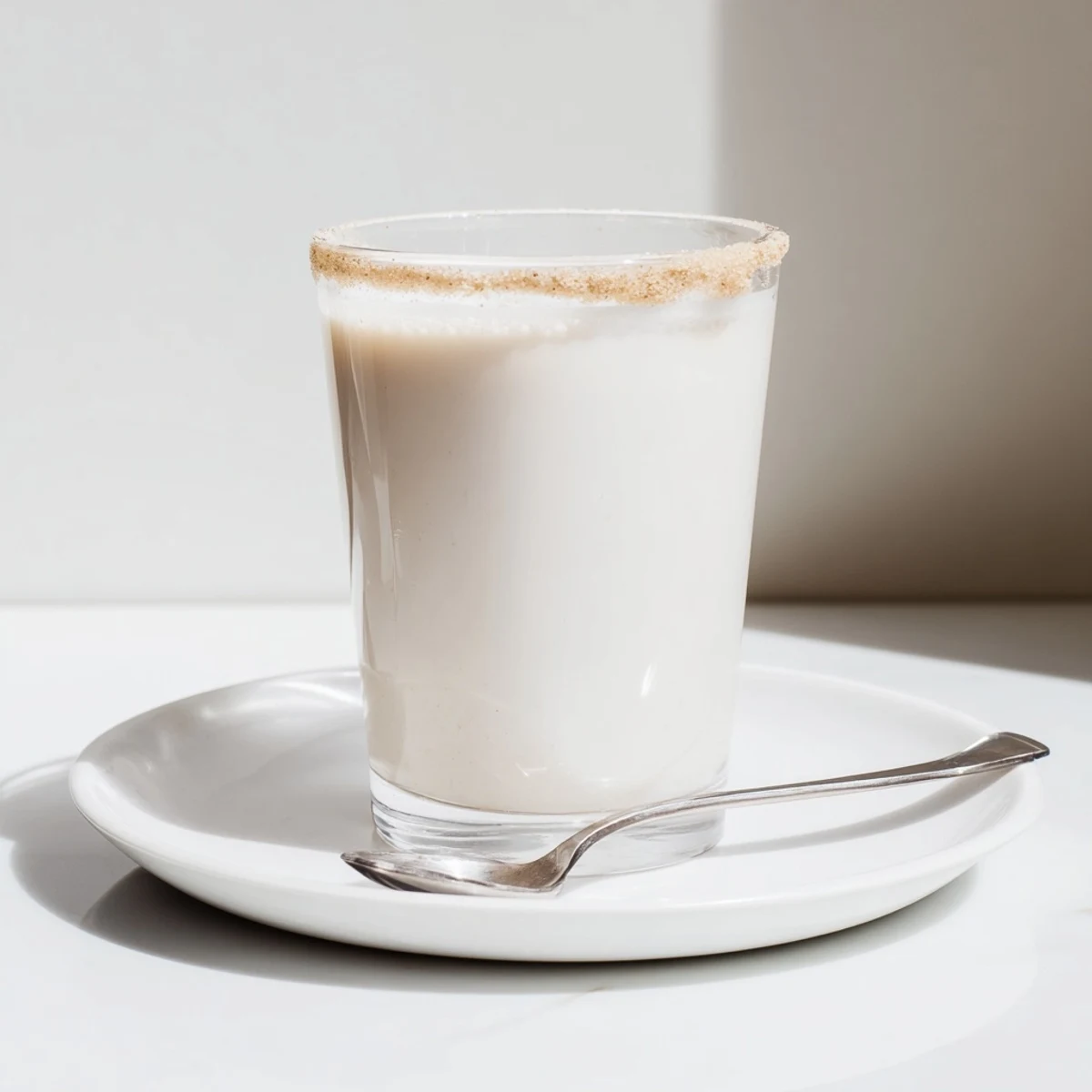
Save Once you start making almond milk at home you will wonder why you ever settled for the watered down store version. It is one of those tiny kitchen habits that quickly becomes second nature.
Recipe FAQs
- → How long should I soak the almonds?
-
Soak almonds for at least 8 hours or overnight. This softens them, making blending easier and ensuring smoother milk. Drain and rinse thoroughly before blending.
- → Can I make almond milk without a nut milk bag?
-
Yes, use a fine mesh strainer lined with several layers of cheesecloth. Pour slowly and press firmly with a spoon to extract all the liquid. The result may have slightly more texture.
- → How long does homemade almond milk last?
-
Store in an airtight container in the refrigerator for 4-5 days. Shake well before each use as natural separation occurs. The freshness timeframe is shorter than commercial versions due to lack of preservatives.
- → What can I do with leftover almond pulp?
-
Dehydrate the pulp and grind into almond flour for baking. Add fresh pulp to smoothies for extra fiber, mix into oatmeal, or form into energy bites with dates and cocoa powder.
- → Can I make this without sweeteners?
-
Absolutely. The sweetness is entirely optional. Unsweetened almond milk works beautifully in savory dishes and lets you control sugar content when using it in beverages or baking.
- → Why does my almond milk separate in the refrigerator?
-
Natural separation is completely normal and happens because there are no emulsifiers or stabilizers. Simply shake the container vigorously before each use to reincorporate the ingredients.