
 Save
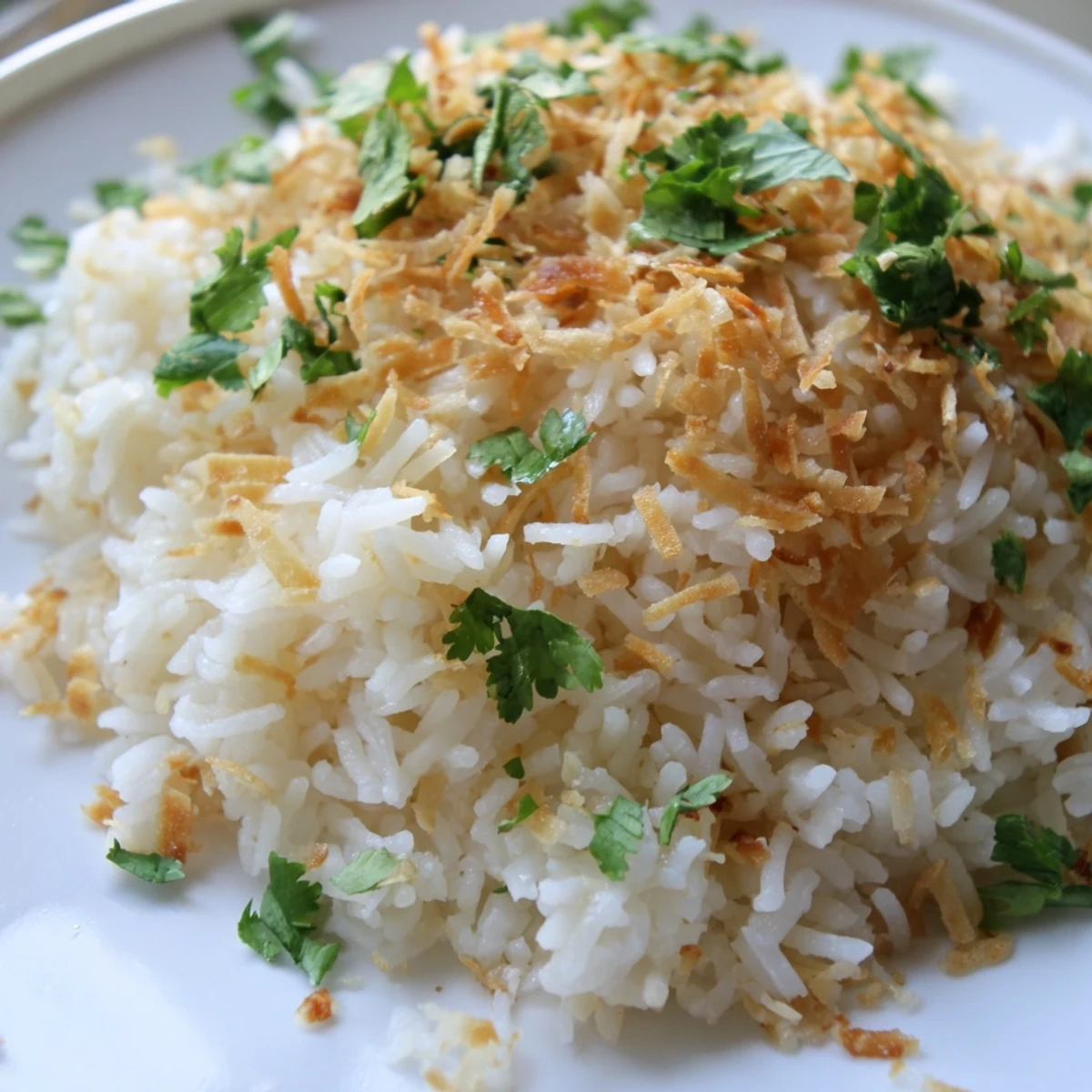
Save This coconut rice transforms simple jasmine rice into a fragrant, creamy side dish by simmering it in full-fat coconut milk. The preparation is straightforward: rinse the rice, combine with coconut milk, water, salt, and a touch of sugar, then simmer until tender.
Ready in just 25 minutes with minimal hands-on time, it pairs beautifully with Thai curries, stir-fries, or grilled proteins. Optional garnishes like toasted coconut and fresh cilantro add texture and brightness.
The smell of coconut milk hitting a hot pan is one of those scents that instantly pulls you somewhere tropical, even if your kitchen is halfway to freezing outside. I stumbled onto coconut rice during a phase where I was obsessed with recreating takeout favorites at home, and this one dish somehow outshined everything else I attempted. It is absurdly simple, which makes it the perfect gateway into Southeast Asian cooking for anyone who feels intimidated by the cuisine.
One evening my neighbor knocked on my door to return a borrowed pan just as the coconut rice was finishing its rest. She stood in the doorway, visibly distracted by the aroma, and I ended up sending her home with a bowl alongside some leftover curry I had in the fridge. She texted me the next morning asking if coconut rice was acceptable for breakfast, which honestly it is.
Ingredients
- Jasmine rice (1 cup, or basmati): Jasmine is the ideal choice here because its natural floral notes harmonize with coconut, but basmati works in a pinch if that is what your pantry offers.
- Full fat coconut milk (1 cup, unsweetened): Do not reach for the lite version unless you want the result to taste watered down and timid, because the fat is what delivers that rich, velvety finish.
- Water (1 cup): A simple equal part to the coconut milk keeps the balance right, since using only coconut milk would make the rice too heavy and cloying.
- Salt (1/2 tsp): Just enough to wake up the flavors without making it taste seasoned in an obvious way.
- Sugar (1 tsp, optional): A small pinch of sugar rounds out the coconut flavor and brings a subtle sweetness that most people will not consciously identify but will definitely miss if you leave it out.
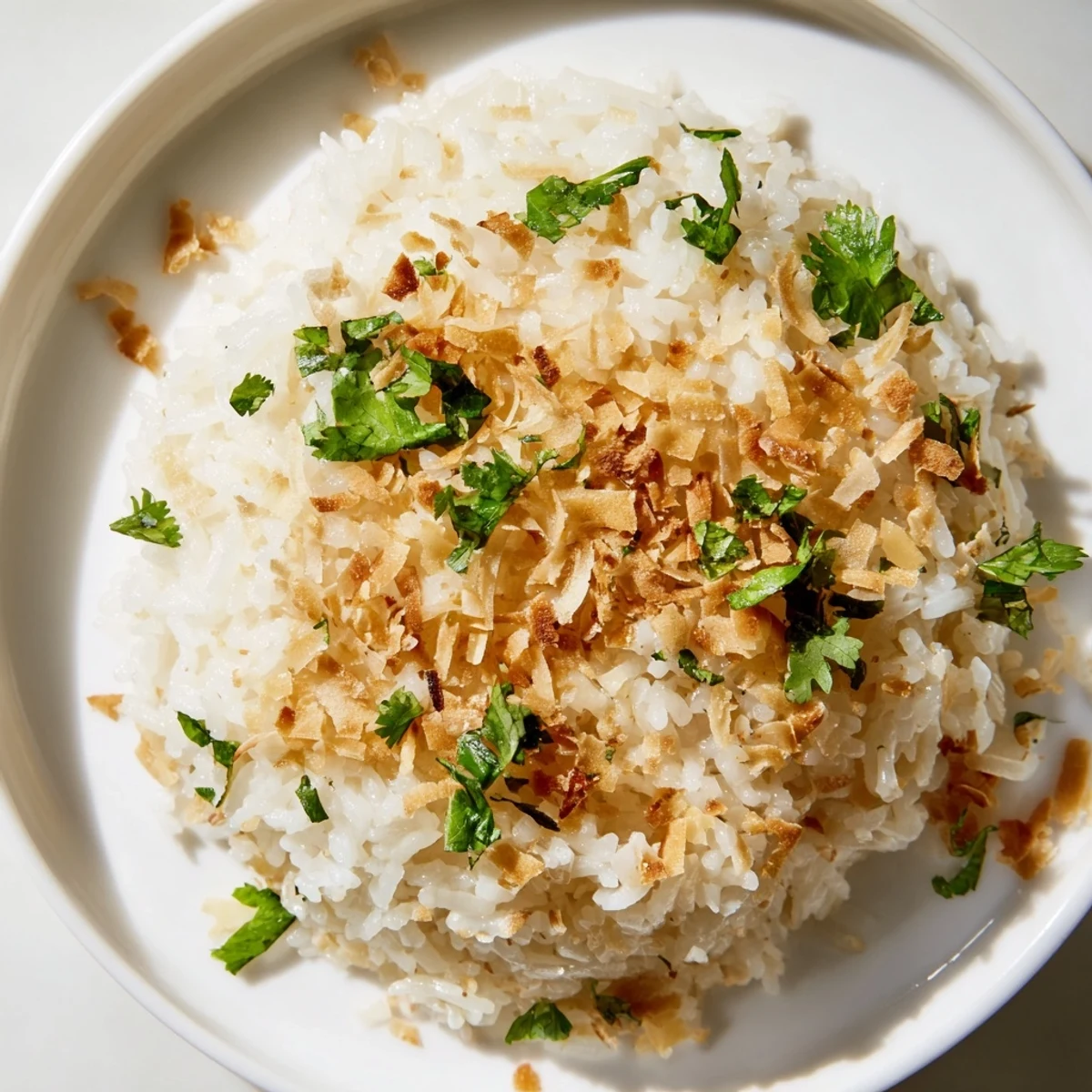
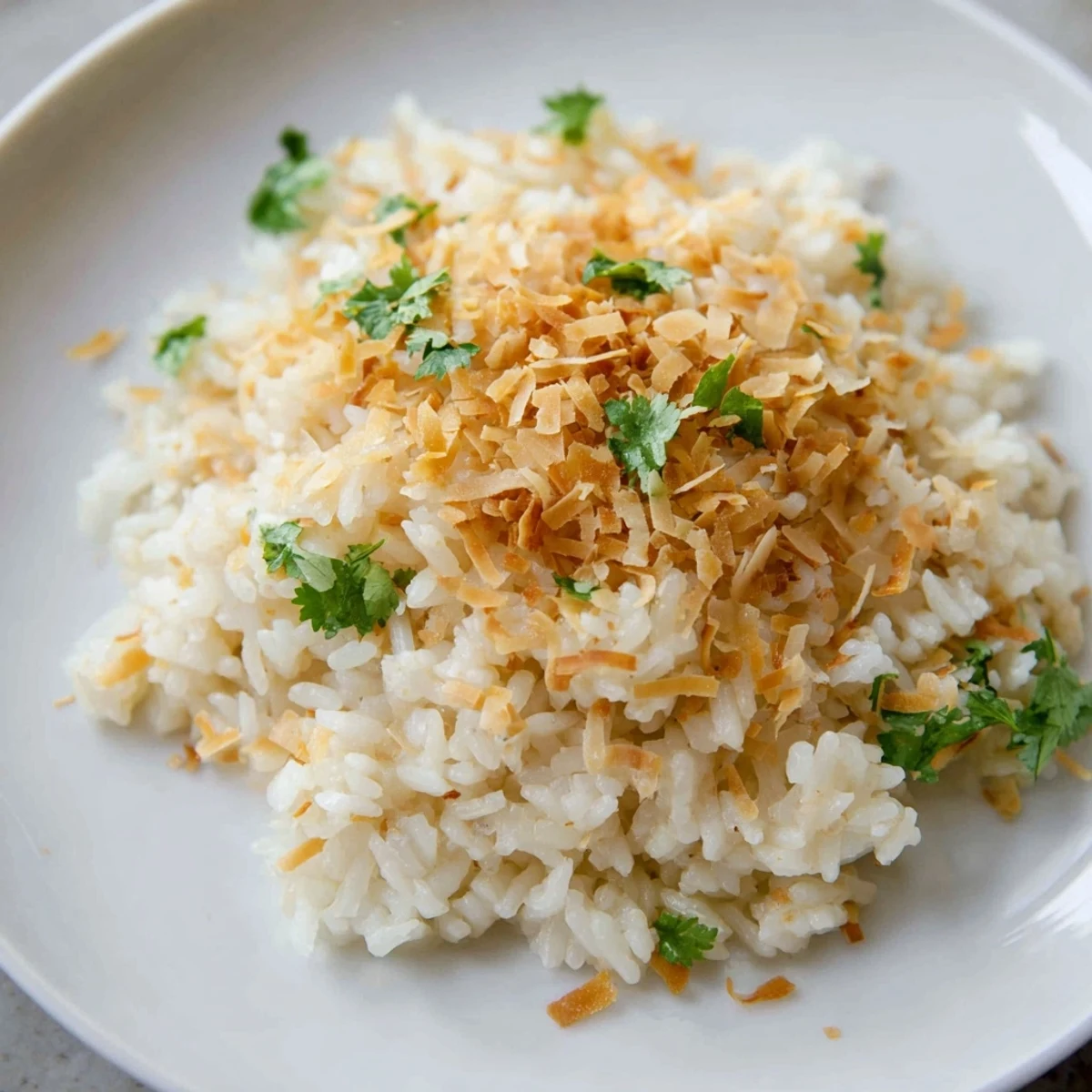
- Toasted shredded coconut (2 tbsp, optional garnish): Adds a pleasant crunch and reinforces the coconut character visually and texturally.
- Chopped fresh cilantro (2 tbsp, optional garnish): Brings a pop of green freshness that cuts through the richness if you are serving this alongside something particularly heavy.
Instructions
- The rinse:
- Run the rice under cold water in a fine mesh strainer, swishing it around with your fingers, until the water runs completely clear. This removes surface starch that would otherwise turn your coconut rice into a gummy mess, so do not skip it even if you are in a hurry.
- Building the pot:
- Dump the rinsed rice into a medium saucepan and pour in the coconut milk, water, salt, and sugar if you are using it. Give everything a gentle stir so the liquid is evenly distributed before the heat goes on.
- The simmer:
- Set the pan over medium heat and wait for the first signs of a gentle boil, those small bubbles forming around the edges. Immediately drop the heat to low, clamp on the lid, and let it do its thing for 15 to 18 minutes until the liquid has vanished and the grains are tender.
- The rest:
- Take the saucepan off the burner completely but leave the lid on for a full five minutes. This resting period lets the steam redistribute through the grains so every bite is evenly cooked rather than wet in the center and dry on top.
- The finish:
- Remove the lid and fluff gently with a fork, lifting rather than stirring to keep the grains separate. Scatter toasted coconut and cilantro over the top if you want to make it look as good as it smells before bringing it to the table.
 Save
Save The thing about coconut rice is that it turns an ordinary Tuesday dinner into something that feels planned and intentional, even when it clearly was not. It has this quiet confidence on the plate, never demanding attention but always making everything around it taste better.
Aromatics Worth Trying
Drop a bruised lemongrass stalk or a couple of torn kaffir lime leaves into the pot before you put the lid on. They will perfume the rice from the inside out, and all you have to do is fish them out before serving so nobody gets a surprise mouthful of woody herb.
What to Serve It With
Thai green curry ladled over a mound of coconut rice is the most obvious and most satisfying pairing in my rotation. It also plays beautifully with anything charred and spicy, whether that is grilled chicken thighs dusted with chili powder or blackened shrimp fresh off a skillet.
Making It Your Own
Once you have the basic method locked in, start playing with it based on what you are serving alongside. The recipe is forgiving enough to absorb small tweaks without falling apart on you.
- Brown rice works but needs roughly ten extra minutes of cooking time and a splash more liquid to compensate for the bran layer.
- A knob of ginger sliced into coins added to the pot gives the rice a warm, spicy undertone that pairs especially well with soy based dishes.
- Always taste a grain or two before declaring it done, since pot size, burner strength, and even humidity can shift the timing slightly.
 Save
Save Keep this recipe in your back pocket for any night that needs a small upgrade without a trip to the store. Coconut rice asks almost nothing of you and gives back so much more than the sum of its parts.
Recipe FAQs
- → Can I use brown rice instead of jasmine rice?
-
Yes, brown rice works as a substitute but requires longer cooking time and additional liquid. Expect to simmer for 35–40 minutes and add roughly 1/4 cup more water.
- → Should I use full-fat or lite coconut milk?
-
Full-fat coconut milk produces the creamiest, most flavorful result. Lite coconut milk will work but yields a less rich and slightly thinner texture.
- → How do I store leftover coconut rice?
-
Store cooled rice in an airtight container in the refrigerator for up to 4 days. Reheat gently in the microwave with a splash of water to restore moisture.
- → Why is my coconut rice mushy?
-
Mushy rice usually means too much liquid or overcooking. Ensure you measure ingredients precisely and avoid lifting the lid during the simmer. Letting the rice rest covered off the heat helps it finish steaming properly.
- → What dishes pair well with coconut rice?
-
Coconut rice complements Thai green or red curries, spicy grilled chicken, teriyaki salmon, stir-fried vegetables, and grilled shrimp. Its subtle sweetness balances spicy and savory flavors beautifully.
- → Is coconut rice gluten-free and dairy-free?
-
Yes, this coconut rice is naturally both gluten-free and dairy-free. Always check your coconut milk label to confirm no cross-contamination if you have severe allergies.