
 Save
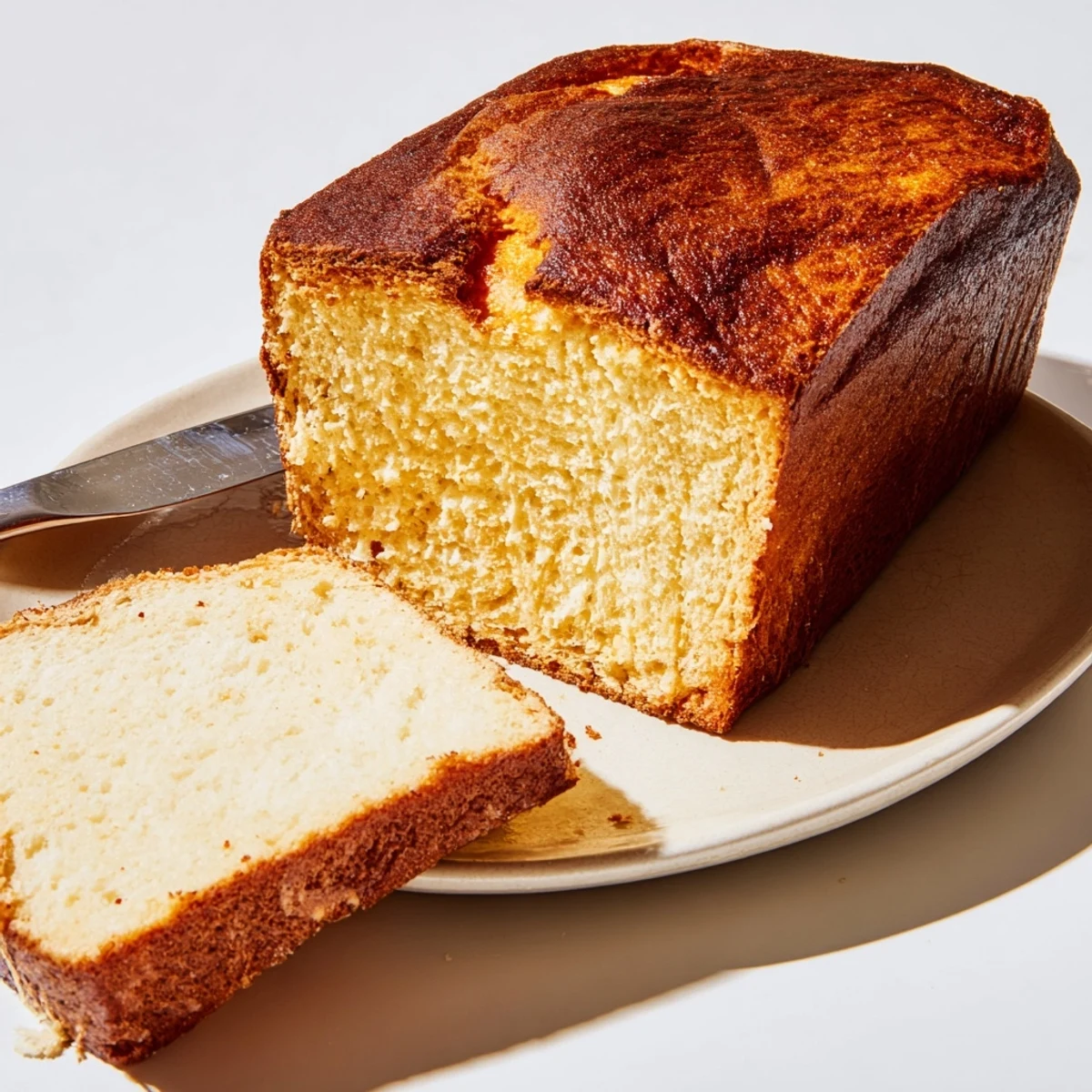
Save This tender loaf combines creamy cottage cheese into a soft, protein-enriched bread that rises beautifully and bakes to golden perfection. The dough comes together with simple pantry staples, requiring just 20 minutes of hands-on preparation before letting yeast work its magic.
The cottage cheese creates an exceptionally moist crumb while adding 6 grams of protein per slice. After rising, the bakes for 35 minutes until the crust develops a gorgeous golden hue and produces that satisfying hollow sound when tapped—your cue that it's ready.
Slice thick and toast for breakfast, use as sandwich bread, or spread with butter and herbs. The versatile base welcomes additions like chives or dill, and substituting half the flour with whole wheat creates a heartier variation.
Last Sunday I was halfway through making a sandwich when I realized we were completely out of bread. The grocery store was closed, and that is when I remembered my grandmother talking about cottage cheese bread back when I was barely tall enough to reach the countertop. She had mentioned how the cottage cheese made the loaf incredibly tender and gave it this slight tang that made every bite interesting. I decided to give it a shot, and honestly, my family has been requesting this bread ever since.
My youngest daughter helped me knead the dough during our first attempt. She was fascinated by how sticky it felt at first and then transformed into something smooth and elastic under our hands. We sat at the kitchen table watching it rise, and I caught her checking the bowl every five minutes like she was waiting for a miracle. That first warm slice with melted butter has become one of those little moments we talk about whenever someone asks what baking means to our family.
Ingredients
- 3 cups all-purpose flour: The foundation that gives structure while keeping the bread light and approachable for home bakers
- 2 tbsp granulated sugar: Feeds the yeast and adds just enough sweetness to balance the slight tang from cottage cheese
- 1½ tsp salt: Essential for flavor development and helps control yeast activity
- 2¼ tsp active dry yeast: One standard packet creates the perfect rise for this single loaf recipe
- 1 cup cottage cheese: The star ingredient that adds moisture, tenderness, and protein while creating a unique texture
- ¼ cup warm milk: Brings everything together and activates the yeast without overwhelming the cottage cheese flavor
- 2 tbsp unsalted butter, melted: Enriches the dough and helps create that beautiful golden crust
- 1 large egg: Provides structure and helps the bread hold its shape while contributing to the tender crumb
Instructions
- Mix your dry foundation:
- Combine flour, sugar, salt, and yeast in a large bowl, stirring until everything is evenly distributed and the yeast is well incorporated
- Blend the wet ingredients:
- Whisk cottage cheese, warm milk, melted butter, and egg until completely smooth, making sure the cottage cheese is well distributed
- Bring dough together:
- Pour the wet mixture into the dry ingredients and mix with a wooden spoon until a sticky, shaggy dough forms
- Knead until smooth:
- Turn onto a floured surface and knead for about 8 minutes, adding flour gradually until the dough becomes smooth and springs back when touched
- First rise:
- Place dough in a greased bowl, cover with a towel, and let rise in a warm spot until doubled, about 1 hour
- Shape and second rise:
- Punch down gently, form into a loaf, and place in a greased 9x5 inch pan, then cover and rise for 30 more minutes
- Bake to golden perfection:
- Bake at 350°F for 35 minutes until the top is golden brown and the loaf sounds hollow when tapped on the bottom
- Cool completely:
- Remove from the pan immediately and let cool on a wire rack before slicing to prevent the bread from becoming gummy
 Save
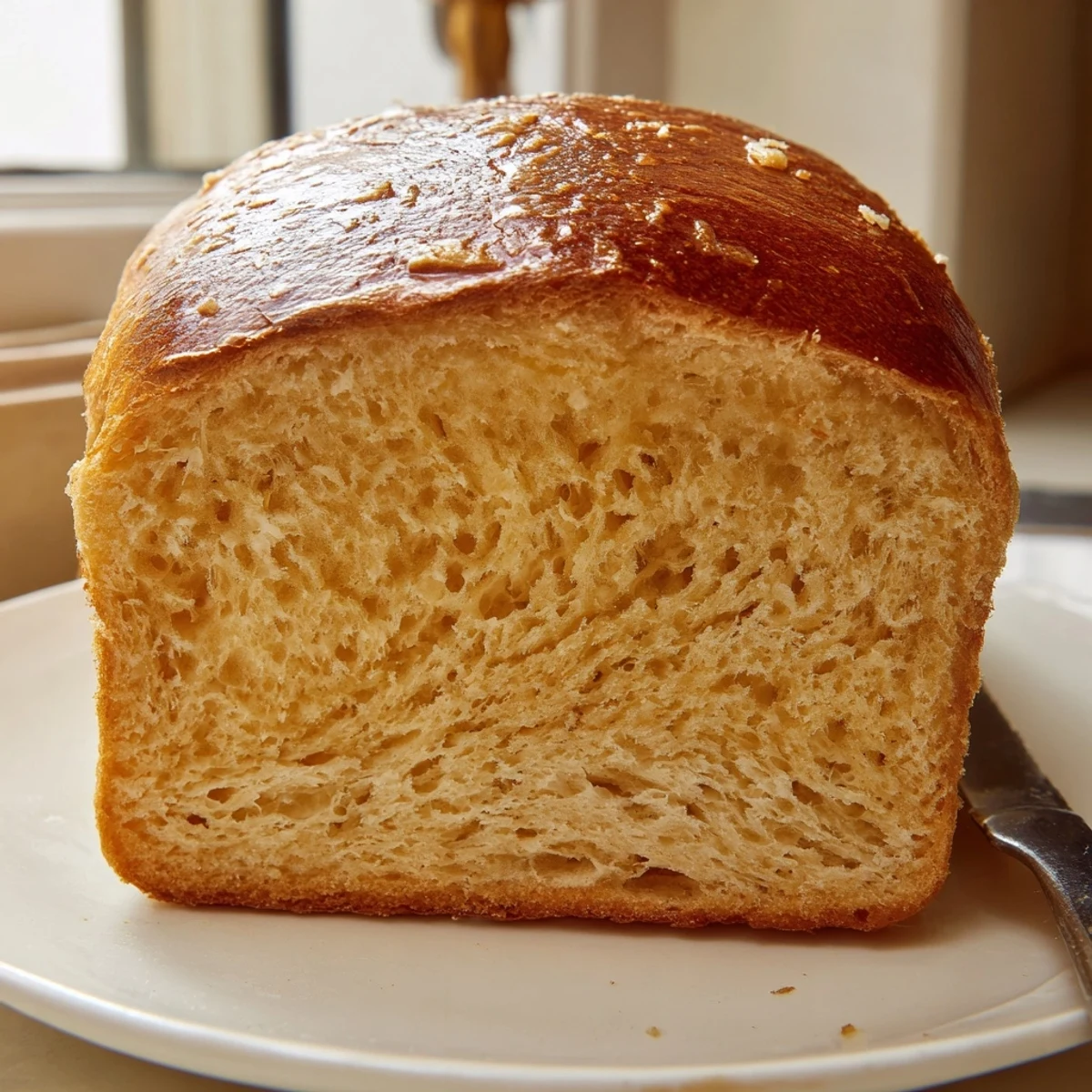
Save My neighbor came over just as this bread was cooling on the counter one afternoon. She kept asking what I was baking because the smell was unlike any other bread she had encountered, slightly savory and incredibly comforting. We ended up eating half the loaf right there with butter, talking about how sometimes the simplest recipes become the ones we treasure most.
Making It Your Own
Fresh herbs transform this bread into something completely different. I have added chopped chives and dill during the mixing process, and the result was an herby loaf that pairs beautifully with soups and salads. The cottage cheese carries these flavors beautifully throughout every slice.
Storage And Freshness
Wrap the cooled loaf tightly in plastic or store in an airtight container at room temperature for up to 4 days. The cottage cheese keeps it moist longer than standard bread, but once you see any signs of mold, it is time to say goodbye. For longer storage, slice and freeze individual pieces that can go directly into the toaster.
Serving Suggestions
This bread shines in so many ways. Try it toasted with cream cheese and jam for breakfast, or use it for sandwiches that benefit from a softer, more flavorful base. The slight tang from cottage cheese makes it particularly good with chicken salad or cucumber sandwiches.
- Toast slices and top with mashed avocado and red pepper flakes
- Use for French custard style French bread pudding
- Make grilled cheese sandwiches that melt beautifully thanks to the tender crumb
 Save
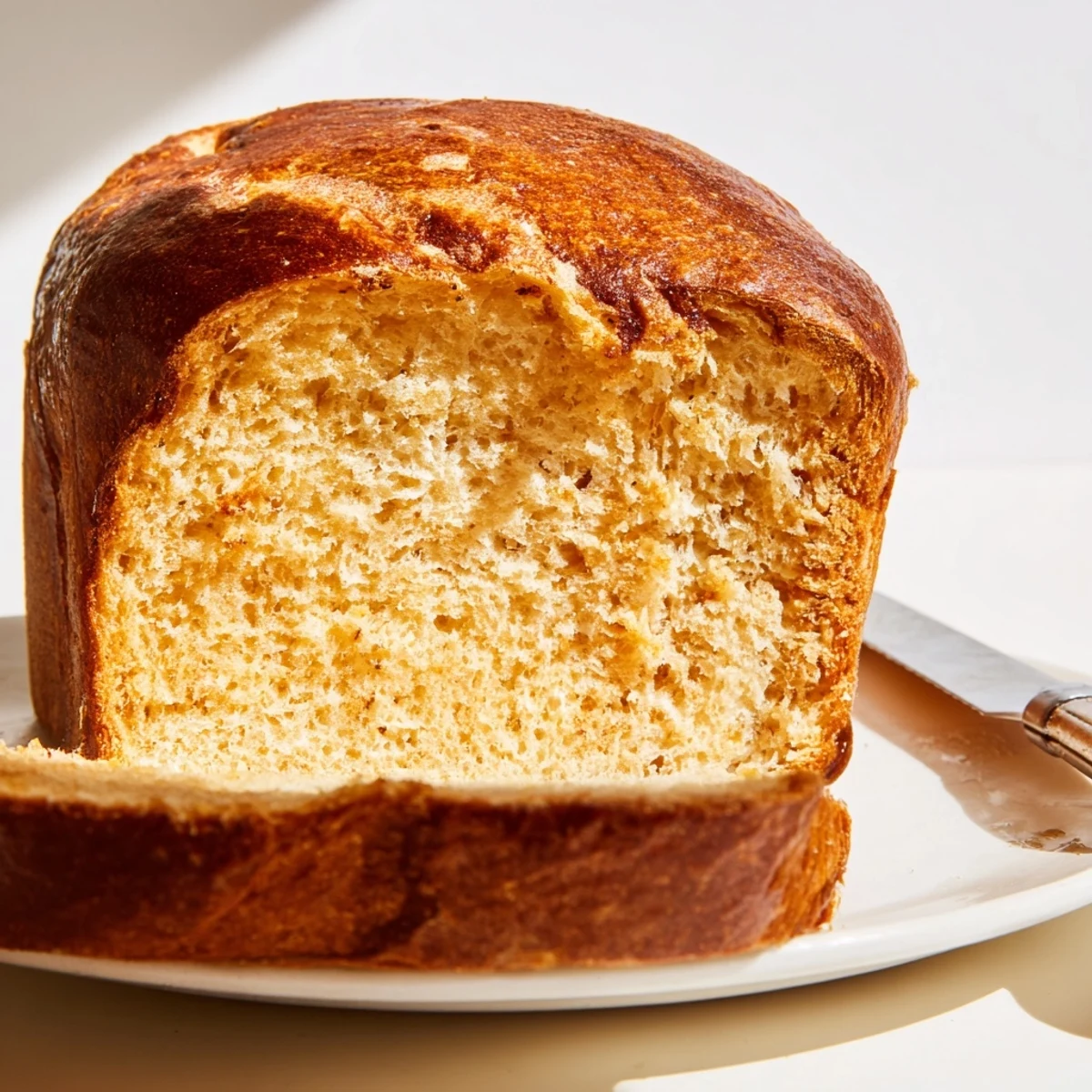
Save There is something deeply satisfying about making bread with such an unexpected ingredient. Every time I pull this loaf from the oven, I am reminded that the best recipes often come from moments of necessity and a willingness to try something different.
Recipe FAQs
- → Why add cottage cheese to bread dough?
-
The cottage cheese adds moisture, tenderness, and protein. It creates a softer crumb and enriches the nutritional profile without affecting the flavor significantly.
- → Can I substitute low-fat cottage cheese?
-
Yes, low-fat cottage cheese works well. The loaf may be slightly less tender but still produces excellent results with reduced fat content.
- → How do I know when the loaf is fully baked?
-
The loaf is done when golden brown and produces a hollow sound when tapped on the bottom. An instant thermometer should read 190°F when inserted into the center.
- → Can I freeze this loaf?
-
Absolutely. Cool completely, wrap tightly in plastic and foil, then freeze for up to 3 months. Thaw at room temperature or toast slices directly from frozen.
- → What herbs work best in this dough?
-
Chives, dill, rosemary, or thyme complement the mild flavor beautifully. Add 1-2 tablespoons of fresh herbs during mixing for aromatic variation.