
 Save
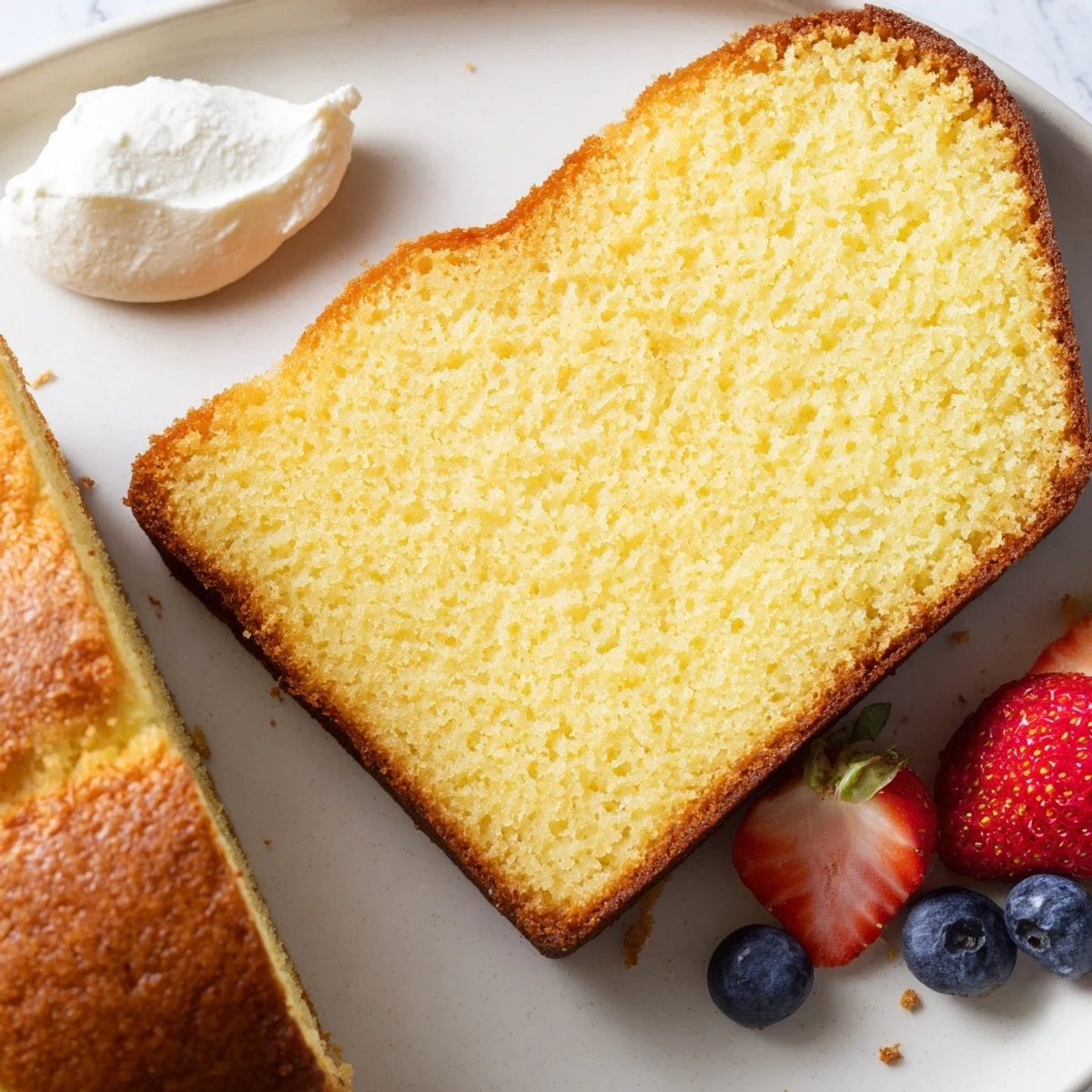
Save This classic American pound cake delivers a rich, buttery flavor with an incredibly tender crumb. Made with simple pantry staples — flour, butter, sugar, eggs, milk, and vanilla — it comes together in just 20 minutes of prep.
The secret lies in properly creaming the butter and sugar until light and fluffy, then alternating dry ingredients with milk for a smooth, even batter. Baked in a standard loaf pan at 350°F for about an hour, you'll get 10 to 12 generous slices.
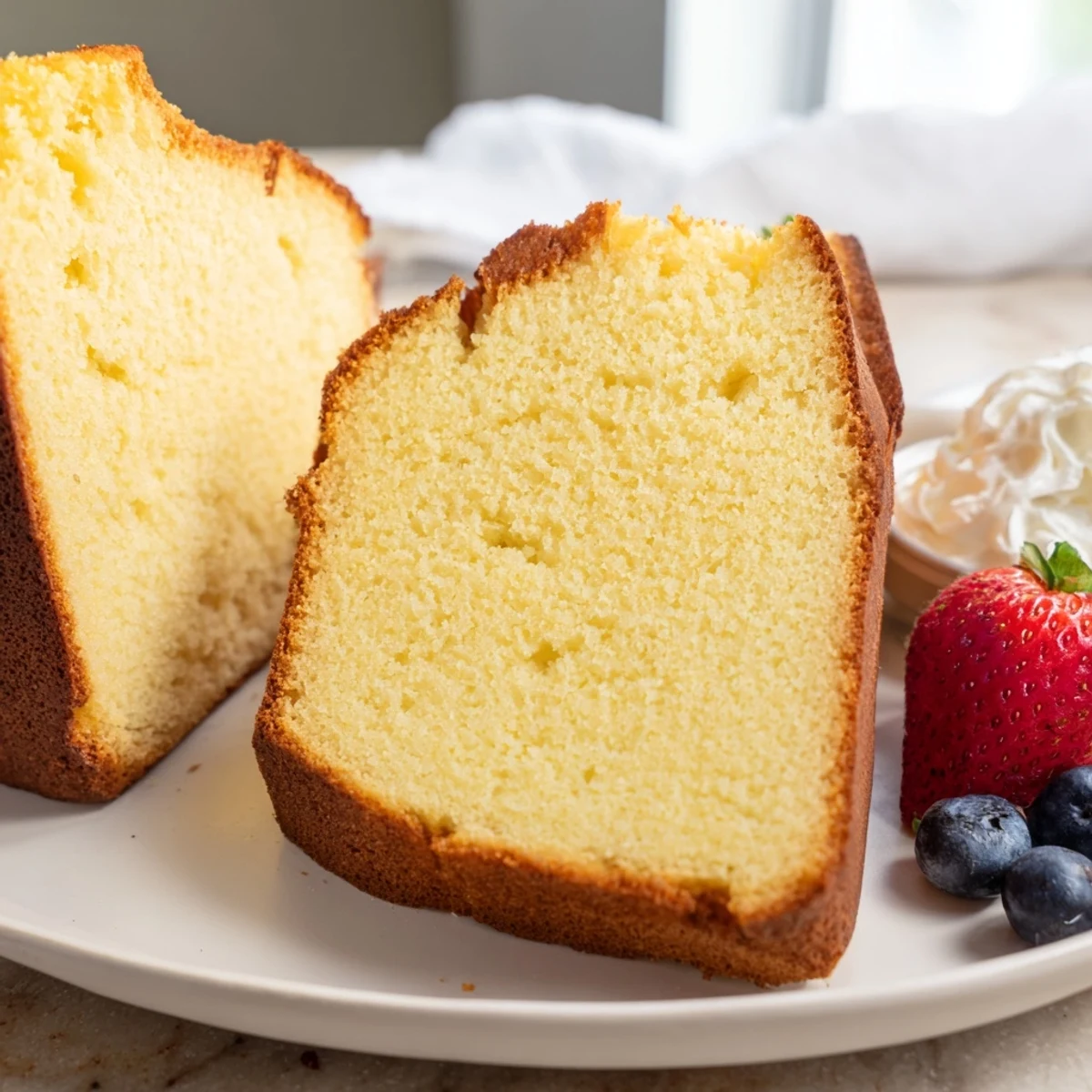
Serve it plain with afternoon tea, top with fresh berries and whipped cream, or add citrus zest for a bright twist. It stores well at room temperature for up to three days, making it perfect for make-ahead entertaining.
The rain was tapping against the kitchen window that Tuesday afternoon, and I had a stick of butter softening on the counter with no real plan for it. Pound cake crossed my mind because my grandmother used to keep one wrapped in wax paper on her cake stand, always ready for whoever dropped by. The beauty of this cake is its honesty: no frosting to hide behind, no layers to fuss over, just pure buttery goodness that fills the whole house with warmth while it bakes. It is the kind of recipe that earns a permanent spot in your repertoire after just one try.
My neighbor Carla smelled it through our shared wall and knocked on my door holding two mugs of tea before the cake had even finished cooling. We sat on my kitchen floor with plates balanced on our knees, and she told me this was the cake her mother used to make on Sundays in São Paulo. That afternoon turned into our standing weekly tea date, always with a fresh pound cake between us.
Ingredients
- All purpose flour (2 cups): Spoon and level it gently into your measuring cup, because packed flour is the fastest way to turn tender cake into a brick.
- Baking powder (1/2 teaspoon): Just a small lift here, since the structure mostly comes from the eggs and butter working together.
- Salt (1/4 teaspoon): Do not skip this, as salt is what makes the butter taste like butter instead of just fat.
- Unsalted butter, softened (1 cup): Leave it out for about an hour until it holds a thumbprint easily, because cold butter will leave you with holes in your crumb.
- Granulated sugar (1 2/3 cups): Beat this long enough with the butter and you will see the mixture turn pale and cloud like, which is your secret to volume.
- Large eggs, room temperature (4): Cold eggs can seize the butter mixture, so set them in warm water for five minutes if you forgot to pull them ahead.
- Pure vanilla extract (2 teaspoons): Use the real stuff here because there is nowhere for artificial flavor to hide in such a simple cake.
- Whole milk, room temperature (1/2 cup): Whole milk gives the richest crumb, but any milk you have will work in a pinch.
Instructions
- Prepare the oven and pan:
- Heat your oven to 350 degrees and either grease and flour your loaf pan or line it with parchment, leaving enough overhang to lift the cake out cleanly later.
- Whisk the dry ingredients:
- In a medium bowl, whisk the flour, baking powder, and salt together until evenly distributed.
- Cream butter and sugar:
- Beat the softened butter and sugar with an electric mixer on medium speed for a full three to four minutes until the mixture looks pale, fluffy, and almost whipped.
- Add eggs and vanilla:
- Drop in one egg at a time, beating well after each one until it disappears into the batter, then stir in the vanilla until fragrant.
- Alternate dry and wet:
- With the mixer on low, add the flour mixture in three additions, alternating with the milk in two additions, starting and ending with flour and mixing only until each addition is barely incorporated.
- Pour and smooth:
- Scrape the batter into your prepared pan and use a spatula to smooth the top, then give the pan a gentle tap on the counter to release any hidden air pockets.
- Bake until golden:
- Bake for fifty five to sixty five minutes, checking at the fifty minute mark, until the top is golden and a toothpick slid into the center comes out clean with just a few moist crumbs.
- Cool with patience:
- Let the cake rest in the pan for ten minutes, then turn it out onto a wire rack and resist the urge to slice until it has cooled completely.
 Save
Save The day I brought a pound cake to my first potluck at a new job, I was so nervous that I nearly left it in the car. A coworker found me hovering near the dessert table, and when she took a bite she closed her eyes and said it reminded her of her childhood kitchen in Georgia. That cake broke the ice better than any introduction ever could have.
Variations Worth Trying
Add a tablespoon of lemon or orange zest to the batter and the whole cake wakes up with this bright, fragrant hum that pairs beautifully with summer fruit. A handful of blueberries folded in at the end turns it into something that tastes like a rustic farmhouse breakfast. You could also swap the vanilla for almond extract and add a pinch of cardamom for a cake that feels quietly Scandinavian and elegant.
Storing Your Cake
Wrap leftover cake tightly in plastic wrap or keep it in an airtight container at room temperature for up to three days, though in my house it rarely lasts until day two. You can freeze individual slices wrapped in foil and sealed in a freezer bag for up to two months, which means you are never more than a thaw away from a comforting treat. A quick ten second warm up in the microwave brings frozen slices back to that just baked softness.
Serving Suggestions
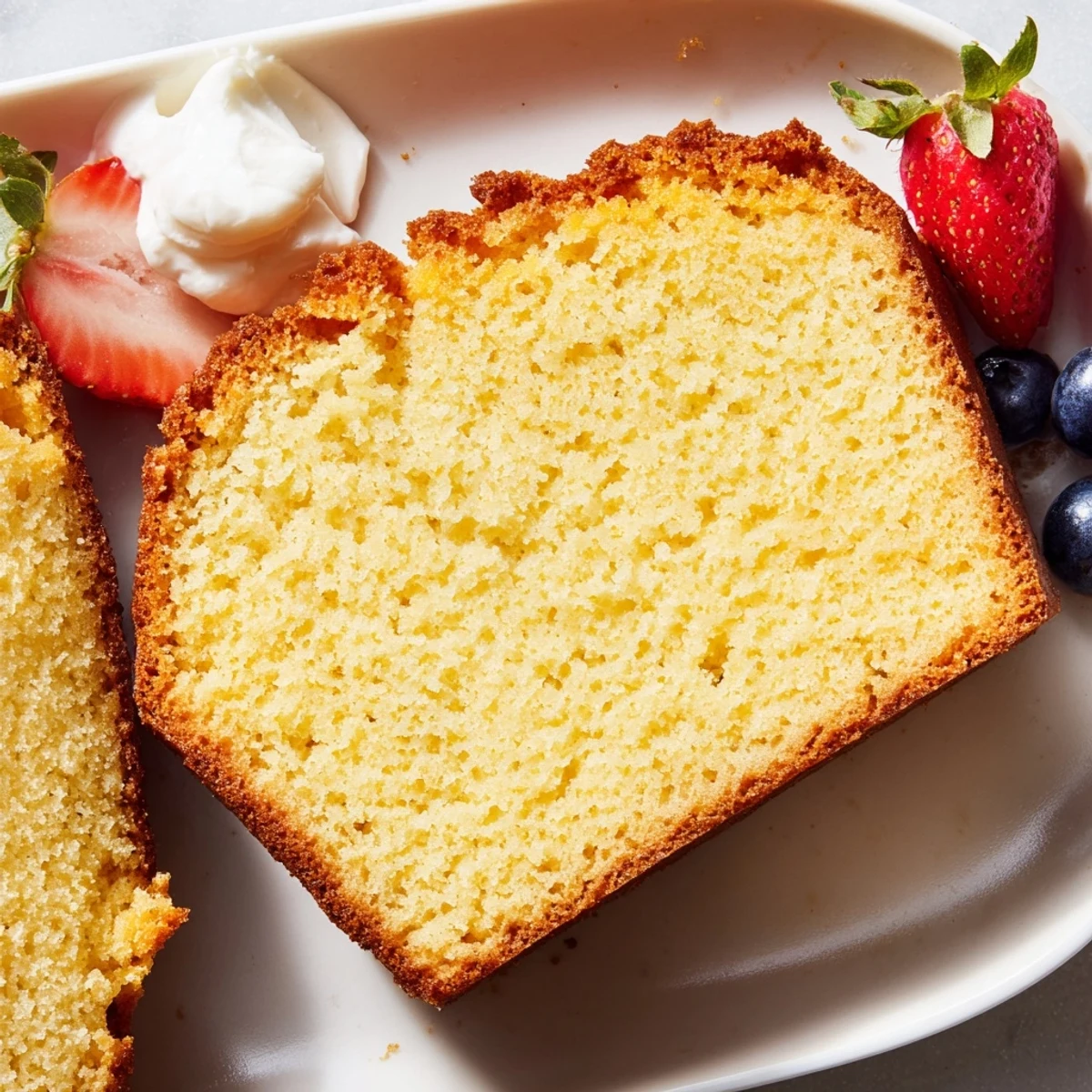
A thick slice of pound cake needs very little help, but a dollop of barely sweetened whipped cream and a handful of fresh berries turn it into something worthy of a dinner party. Toasted slices make an incredible base for morning French toast if you happen to have day old cake hanging around.
- Warm a slice gently and drizzle with honey for the simplest satisfying dessert.
- Pair with a cup of Earl Grey tea because the bergamot plays beautifully with vanilla and butter.
- Serve it at room temperature for the softest crumb, never cold from the fridge.
 Save
Save Some cakes demand attention and precision, but pound cake simply asks you to show up with good butter and a little patience. Slice it thick, share it freely, and let it become the recipe people remember you by.
Recipe FAQs
- → Why is my pound cake dense or heavy?
-
A dense pound cake usually results from overmixing the batter once the flour is added, or from using cold ingredients. Make sure your butter, eggs, and milk are at room temperature before starting, and mix only until just combined after adding the flour.
- → Can I use salted butter instead of unsalted?
-
Yes, you can substitute salted butter. Simply omit the additional 1/4 teaspoon of salt called for in the dry ingredients. Keep in mind that salt levels vary between butter brands, so taste preferences may differ slightly.
- → How do I know when the pound cake is fully baked?
-
Insert a toothpick into the center of the cake — it should come out clean or with just a few moist crumbs. The top should be golden brown and the edges should slightly pull away from the pan. This typically takes 55 to 65 minutes at 350°F.
- → Can I add other flavors to this pound cake?
-
Absolutely. Add one tablespoon of lemon or orange zest for a citrus version. You can also fold in a half cup of chocolate chips, swap the vanilla for almond extract, or add a pinch of nutmeg and cinnamon for warmth.
- → How should I store leftover pound cake?
-
Wrap the cooled cake tightly in plastic wrap or store in an airtight container at room temperature for up to three days. For longer storage, freeze individual slices wrapped in plastic and foil for up to two months. Thaw at room temperature before serving.