
 Save
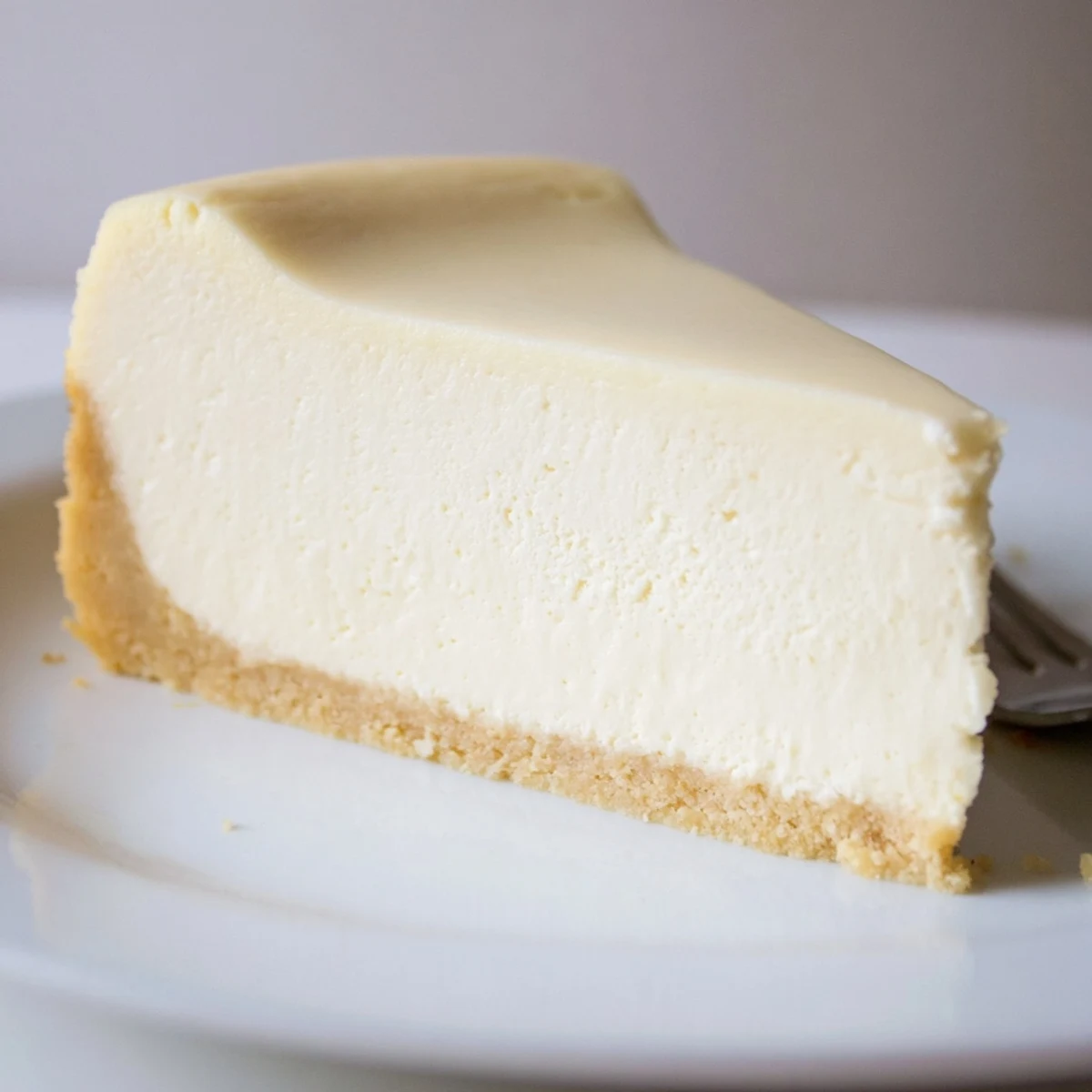
Save This classic cheesecake features a buttery graham cracker crust and a silky cream cheese filling sweetened with granulated sugar and brightened with lemon and vanilla. Eggs and a touch of flour provide structure while sour cream adds richness. Bake gently at 160°C (325°F), cool slowly in the oven, then chill at least 4 hours or overnight for clean, firm slices. Serve with fresh berries or a compote.
The sound of a springform pan clicking shut still takes me back to my tiny apartment kitchen where I attempted my first cheesecake on a rainy Tuesday evening. The whole thing cracked down the middle, and I ate it straight from the pan with a fork anyway, completely hooked on that silky texture beneath the broken surface. That crack taught me more about patience than any cookbook ever could. Now cheesecake is the one dessert I make when I want to slow down and really pay attention.
I brought this cheesecake to a friends potluck dinner once and watched three grown adults argue over who got the last slice. Someone actually tried to claim they needed it more because they had a stressful week at work. The pan came home empty and licked nearly clean, which is honestly the highest compliment a home baker can receive.
Ingredients
- Graham cracker crumbs: Two cups give you a crust that holds together without turning into concrete. Pulse whole crackers yourself for the best texture.
- Unsalted butter: Seven tablespoons of melted butter bind everything. Use unsalted so you control the flavor.
- Granulated sugar: Two tablespoons in the crust adds just enough sweetness to balance the butter.
- Cream cheese: Nine hundred grams of full fat cream cheese is non negotiable. Let it sit on the counter until completely soft or you will fight lumps all day.
- Granulated sugar for filling: One cup sweetens without overwhelming the tangy cream cheese flavor.
- Eggs: Three large eggs at room temperature blend in smoothly. Cold eggs can cause the batter to seize.
- Sour cream: One cup adds moisture and a slight tang that makes the filling taste richer than it already is.
- Vanilla extract: Two teaspoons for warmth and depth throughout the filling.
- All purpose flour: Two tablespoons help stabilize the batter and reduce cracking.
- Lemon juice: One tablespoon brightens everything and balances the richness in a way you will notice if it is missing.
- Sour cream for topping: One cup mixed with powdered sugar and vanilla creates a beautiful finishing layer.
- Powdered sugar: Two tablespoons sweeten the topping without making it grainy.
- Vanilla extract for topping: One teaspoon rounds out the optional topping beautifully.
Instructions
- Build the crust foundation:
- Preheat your oven to 160 degrees Celsius and line the bottom of a 23 centimeter springform pan with parchment paper. Toss the graham cracker crumbs with melted butter and sugar until everything feels like damp sand. Press the mixture firmly and evenly into the bottom of the pan, then bake for ten minutes until fragrant and golden.
- Whip the cream cheese smooth:
- Beat the softened cream cheese in a large bowl until completely smooth and creamy. Gradually pour in the sugar and keep mixing until no grittiness remains.
- Add the eggs one by one:
- Drop in each egg separately, mixing thoroughly before adding the next so the batter stays velvety. Then fold in the sour cream, vanilla, flour, and lemon juice until just combined. Stop mixing the moment everything looks uniform because overmixing invites air bubbles and cracks.
- Pour and smooth:
- Carefully pour the filling over your cooled crust and use a spatula to smooth the top. Give the pan one gentle tap on the counter to release any stubborn air pockets hiding in the batter.
- Bake low and slow:
- Slide the cheesecake into the oven for 45 minutes until the edges are set but the center still has a gentle wobble when you nudge it. Turn off the oven, crack the door open, and let it sit inside for one full hour to cool gradually.
- Chill with patience:
- Remove the cheesecake from the oven and let it reach room temperature on the counter. Then refrigerate for at least four hours, though overnight is the true secret to perfect slices.
- Add the optional topping:
- Stir together sour cream, powdered sugar, and vanilla until silky smooth. Spread it gently over the chilled cheesecake right before serving for a polished finish.
 Save
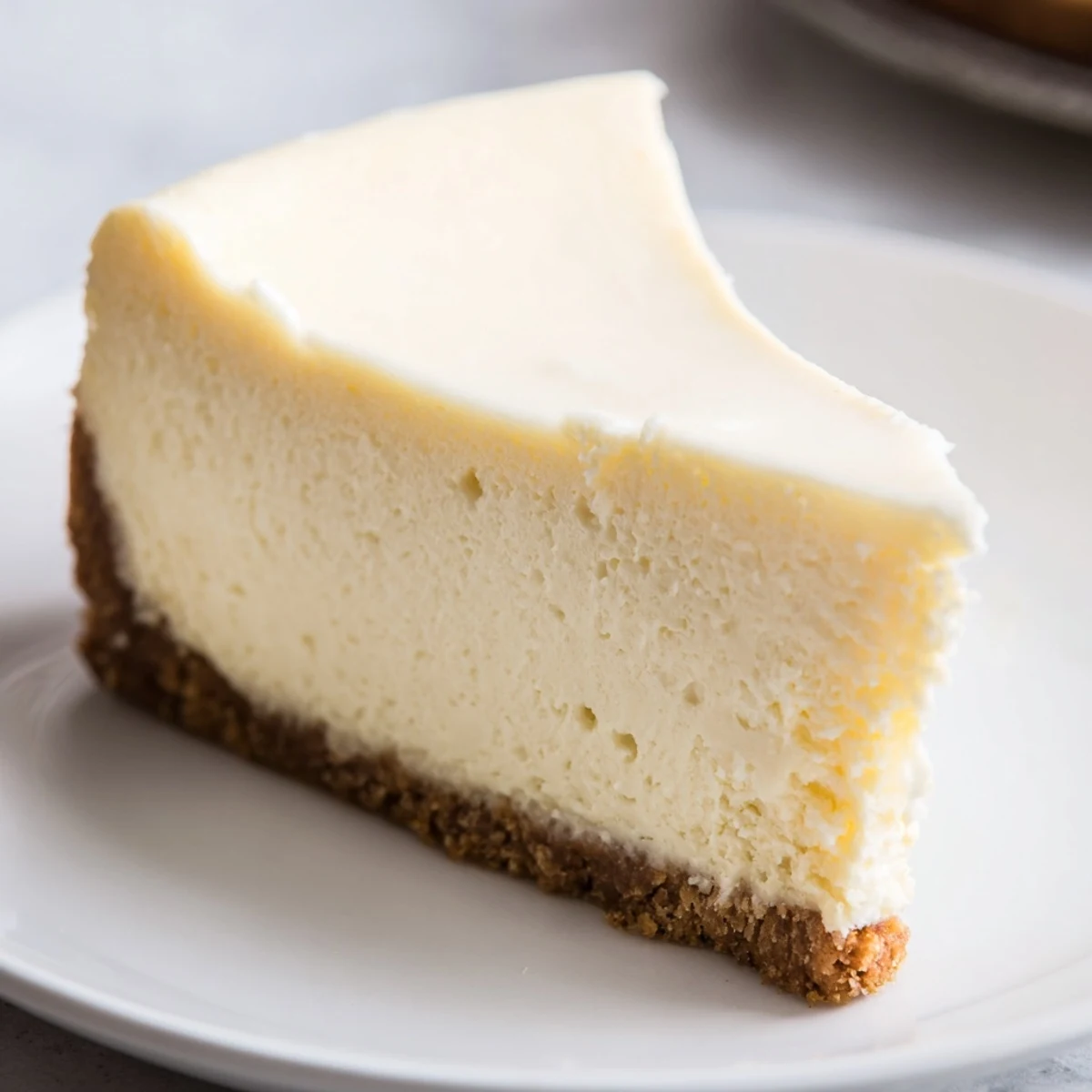
Save One Thanksgiving I forgot to chill the cheesecake overnight and served it after only three hours. It tasted incredible but every slice sagged and slumped on the plate like a sleepy puppy. My family still brings it up every year.
When Cheesecake Goes Wrong
Cracks are the most common heartbreak and they almost always come from overmixing, sudden temperature changes, or baking too hot. A cracked cheesecake still tastes phenomenal, and the sour cream topping hides a multitude of sins. Lumpy batter means your cream cheese was not soft enough, so next time give it another 30 minutes on the counter before starting.
Serving Ideas That Elevate It
Fresh berries piled on top turn a simple slice into something that looks like it came from a bakery window. A drizzle of warm berry compote adds color and a tart contrast that cuts through the richness beautifully. I once served it with caramelized peaches in summer and my guests practically wept.
Getting Clean Bakery Style Slices
Dip a long sharp knife into a tall glass of hot water and wipe it dry between every single cut. The warmth melts through the filling cleanly instead of dragging and pulling. This small ritual transforms a homemade cheesecake into something that photographs like a dream.
- Use unflavored dental floss for impossibly clean cuts if you do not have a long enough knife.
- Chill the knife blade in hot water, not the whole cheesecake, to avoid condensation.
- Wipe the blade after every slice without exception for consistent results.
 Save
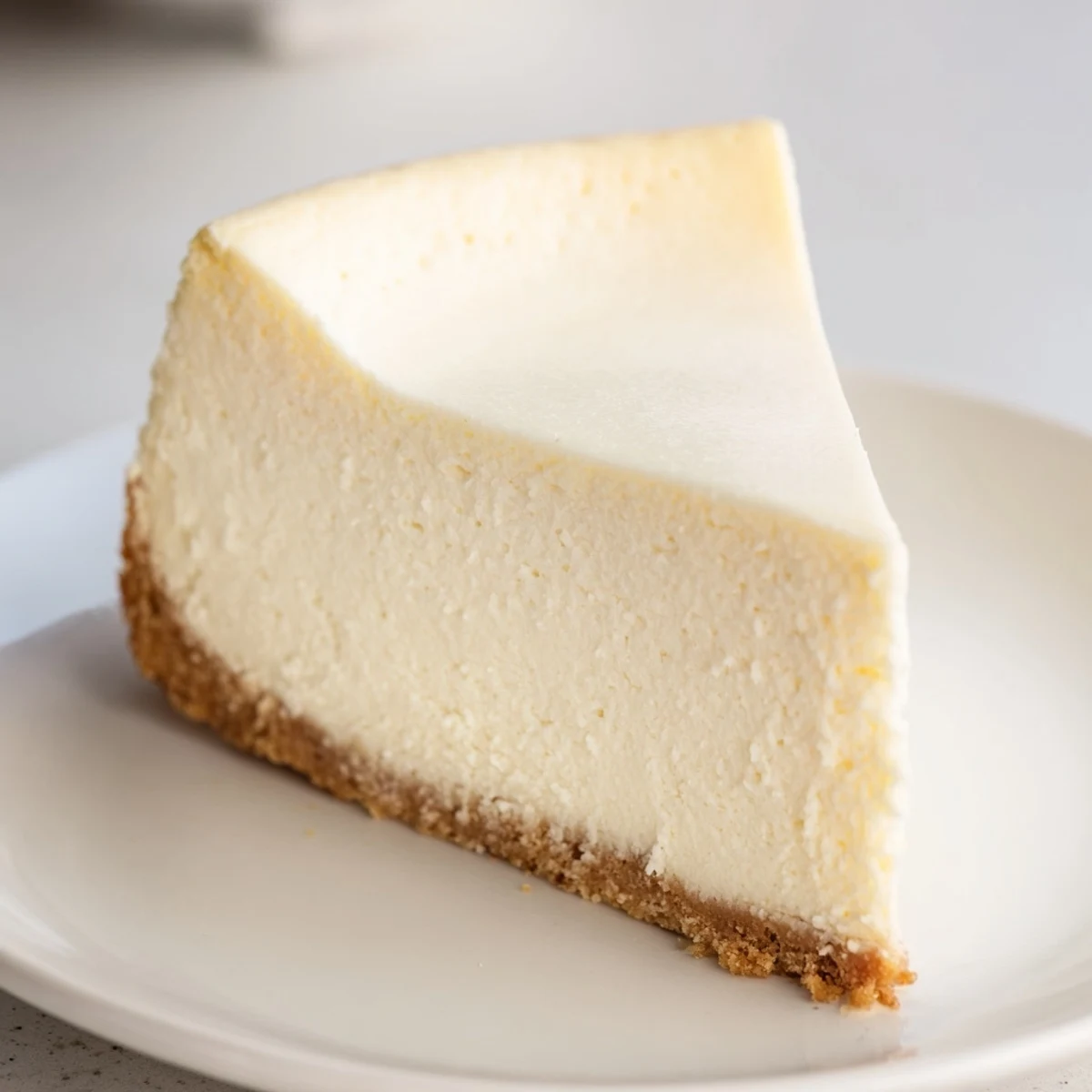
Save Every cheesecake I make still carries a little bit of that first rainy Tuesday in my tiny kitchen, cracks and all. Some desserts are just worth the wait.
Recipe FAQs
- → How can I prevent cracks on the surface?
-
Avoid overmixing the batter and beat eggs in slowly; bake gently at 160°C (325°F). After baking, turn off the oven and let the cake cool with the door cracked for an hour to prevent sudden temperature shifts that cause cracks.
- → Can I substitute the graham cracker crust?
-
Yes. Use digestive biscuits, crushed shortbread, or finely ground almonds mixed with butter for a nutty base. Adjust sugar and baking time slightly depending on the chosen crumb.
- → Why is the center still wobbly after baking?
-
A slightly jiggly center is normal; it firms as it cools and chills. If it seems too loose, ensure the eggs were fully incorporated and bake until edges are set but center retains slight movement.
- → How long should it chill before serving?
-
Chill at least 4 hours, but preferably overnight. Extended chilling allows the filling to set fully and improves slice definition and flavor melding.
- → Will adding extra flour make it firmer?
-
Yes. A tablespoon more flour can yield a slightly firmer texture, but avoid overdoing it to keep the cheesecake tender and creamy.
- → Best way to serve and store leftovers?
-
Serve chilled, optionally with sour cream topping, fresh berries, or compote. Store refrigerated in an airtight container for up to 4–5 days; wrap slices to prevent drying.