
 Save
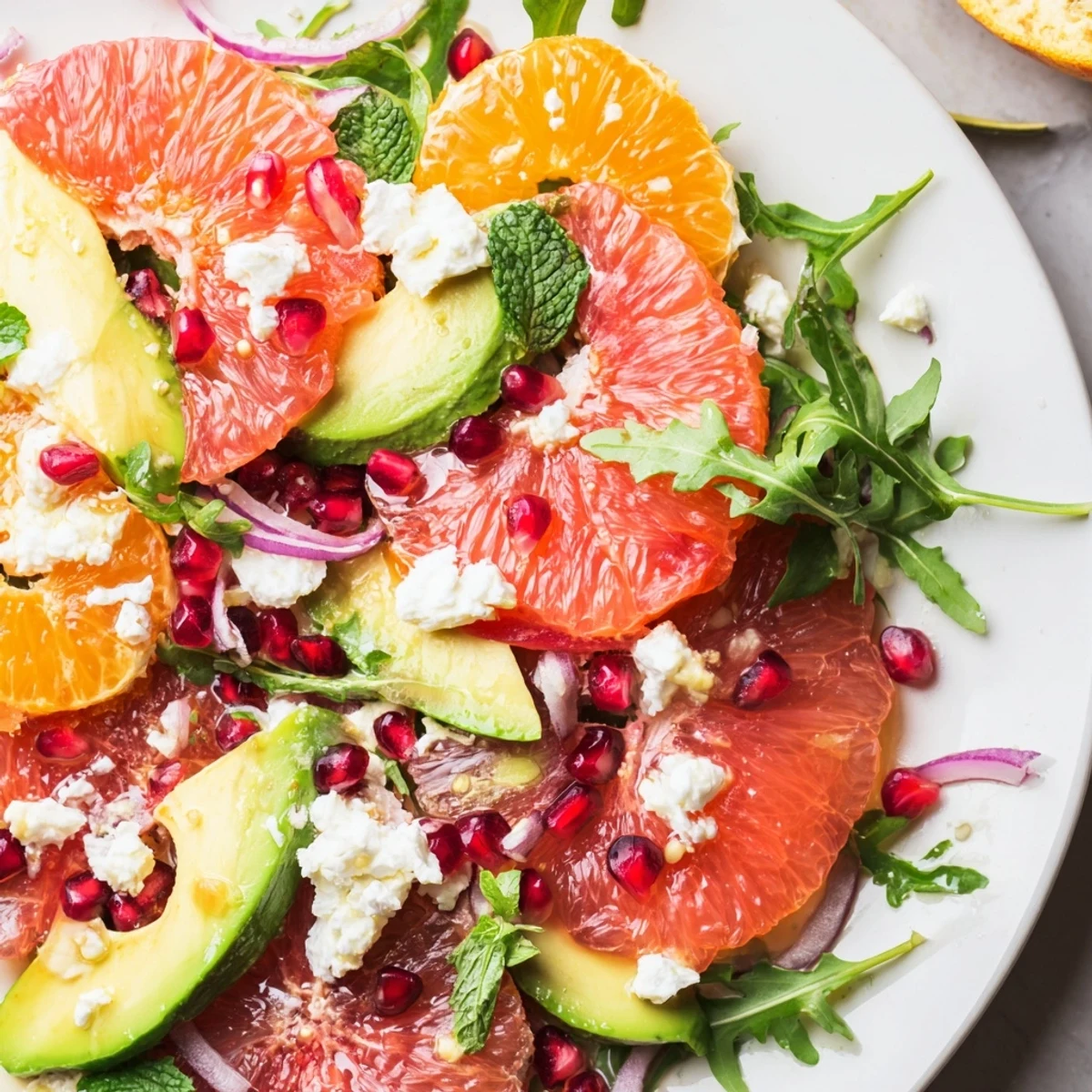
Save This vibrant Mediterranean salad brings together juicy orange and grapefruit slices with sweet-tart pomegranate arils, creamy avocado, and salty crumbled feta.
Tossed with baby arugula and a light honey-lemon vinaigrette, it's a refreshing starter or light lunch that comes together in just 15 minutes with no cooking required.
Naturally vegetarian and gluten-free, it's an elegant dish that works beautifully for everything from casual weeknight dinners to festive gatherings.
The smell of grapefruit peel hitting the blade always drags me back to January mornings in my tiny apartment kitchen, window cracked open, radio on low. I needed something bright after weeks of heavy holiday food, and this salad was the answer that stuck around long after winter faded. It takes barely fifteen minutes from cutting board to table and somehow looks like a painting you would rather eat than frame. Every color on the plate feels intentional, like the dish assembled itself while you were just slicing things open.
I brought this to a potluck once expecting it to be ignored next to the pasta bakes and slow-cooked ribs, and someone actually photographed it before eating. A woman I had never met tracked me down in the kitchen to ask what was in the dressing, and we ended up trading salad recipes for twenty minutes while the party carried on without us. That is the quiet power of a dish that does not need heat to win people over.
Ingredients
- Citrus fruits (2 large oranges, 2 pink grapefruits, 1 blood orange if available): The mix matters because each variety brings a different shade and sweetness level, and blood orange adds a dramatic pop that makes people lean in closer.
- Ripe avocado (1): It should yield slightly when pressed but not feel mushy, since you want clean slices that hold their shape on the platter.
- Pomegranate arils (half a cup): These are the jewels in the title, and they bring little bursts of tart sweetness that catch you off guard in the best way.
- Red onion (a quarter, thinly sliced): Soak the slices in ice water for five minutes if you find raw onion too aggressive.
- Baby arugula (2 cups): The peppery bite anchors everything and keeps the salad from feeling too sweet.
- Feta cheese (half a cup, crumbled): Go for block feta and crumble it yourself because the pre-crumbled kind is oddly dry and never tastes as bright.
- Extra virgin olive oil (3 tablespoons): Use the good stuff here since there is nowhere for it to hide.
- Fresh lemon juice (1 tablespoon): Bottled juice will work in a pinch but fresh makes the whole dressing sing.
- Honey or maple syrup (1 teaspoon): Just enough to round the sharp edges off the citrus and vinegar without making anything sweet.
- Sea salt and black pepper: Season to taste and remember the feta is already salty.
- Fresh mint leaves (2 tablespoons, torn, optional): Scatter these last because their fragrance fades fast once they hit the oil.
Instructions
- Whisk the dressing:
- Combine olive oil, lemon juice, honey, salt, and pepper in a small bowl and whisk until the mixture looks cloudy and slightly thickened. Taste it on your fingertip and adjust the salt before moving on.
- Build the citrus base:
- Arrange orange, grapefruit, and blood orange slices across a large platter, overlapping them slightly so every serving gets a mix of colors. Scatter arugula and red onion over the top without worrying too much about symmetry.
- Add the creamy and crunchy elements:
- Lay avocado slices across the salad and sprinkle pomegranate arils generously, letting some tumble into the gaps between the fruit. The random placement looks more natural and inviting than anything planned.
- Finish and dress:
- Drizzle the dressing in a wide arc over the entire platter, then crumble feta across the top with your fingers. Tear mint leaves and scatter them last, then serve immediately while the avocado is still gleaming.
 Save
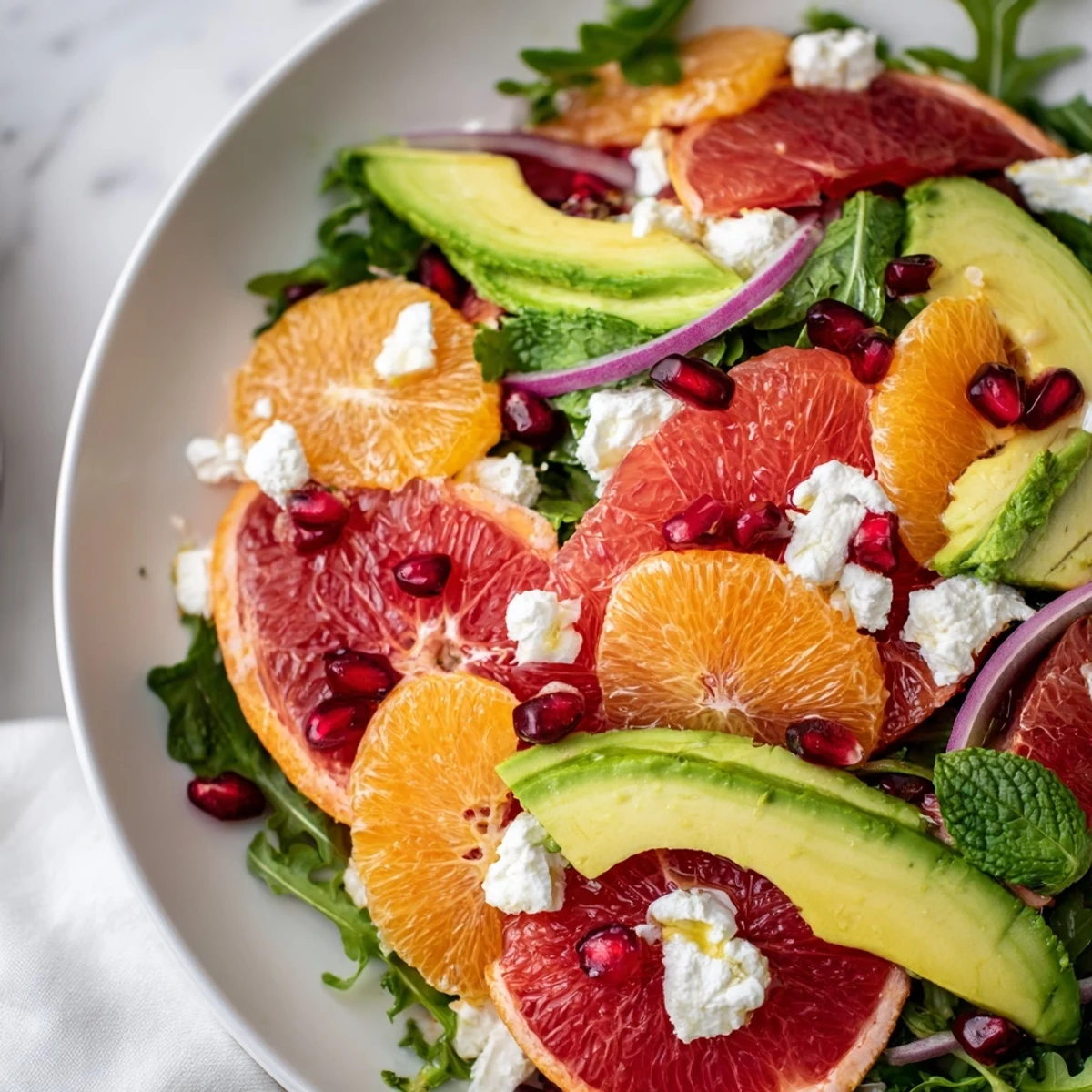
Save There is something about the way pomegranate seeds scatter across orange slices that makes a Tuesday dinner feel like a small celebration you did not have to plan for. I have eaten this standing at the counter with the platter between my elbows more times than I care to admit.
What to Serve Alongside It
This salad pairs beautifully with grilled chicken or flaky white fish, and I have also served it next to a bowl of lentil soup on nights when I wanted dinner to feel complete without much effort. A crusty loaf of bread on the table never hurts either, mostly for soaking up the dressing and citrus juices that pool at the bottom of the platter.
Keeping It Fresh
Assembled salads do not keep well, so if you are prepping ahead, store the dressing, sliced citrus, and other components in separate containers in the fridge. Everything will hold for up to a day this way, and you can assemble it in about two minutes when you are ready to eat. Leftovers are fine the next morning if you do not mind the avocado looking a little tired.
Making It Your Own
Once you have the basic formula down, this salad bends in all kinds of directions depending on what you have around. The framework is endlessly forgiving as long as you keep the balance of creamy, crunchy, salty, and bright. Think of the recipe as a suggestion and the platter as your canvas.
- Toast a handful of pistachios or walnuts and scatter them on for a crunch that changes the whole texture of each bite.
- Swap feta for goat cheese if you prefer a tangier, creamier finish that melts a little into the dressing.
- For a vegan version, use a plant-based feta and replace the honey with maple syrup, and you will not lose a thing.
 Save
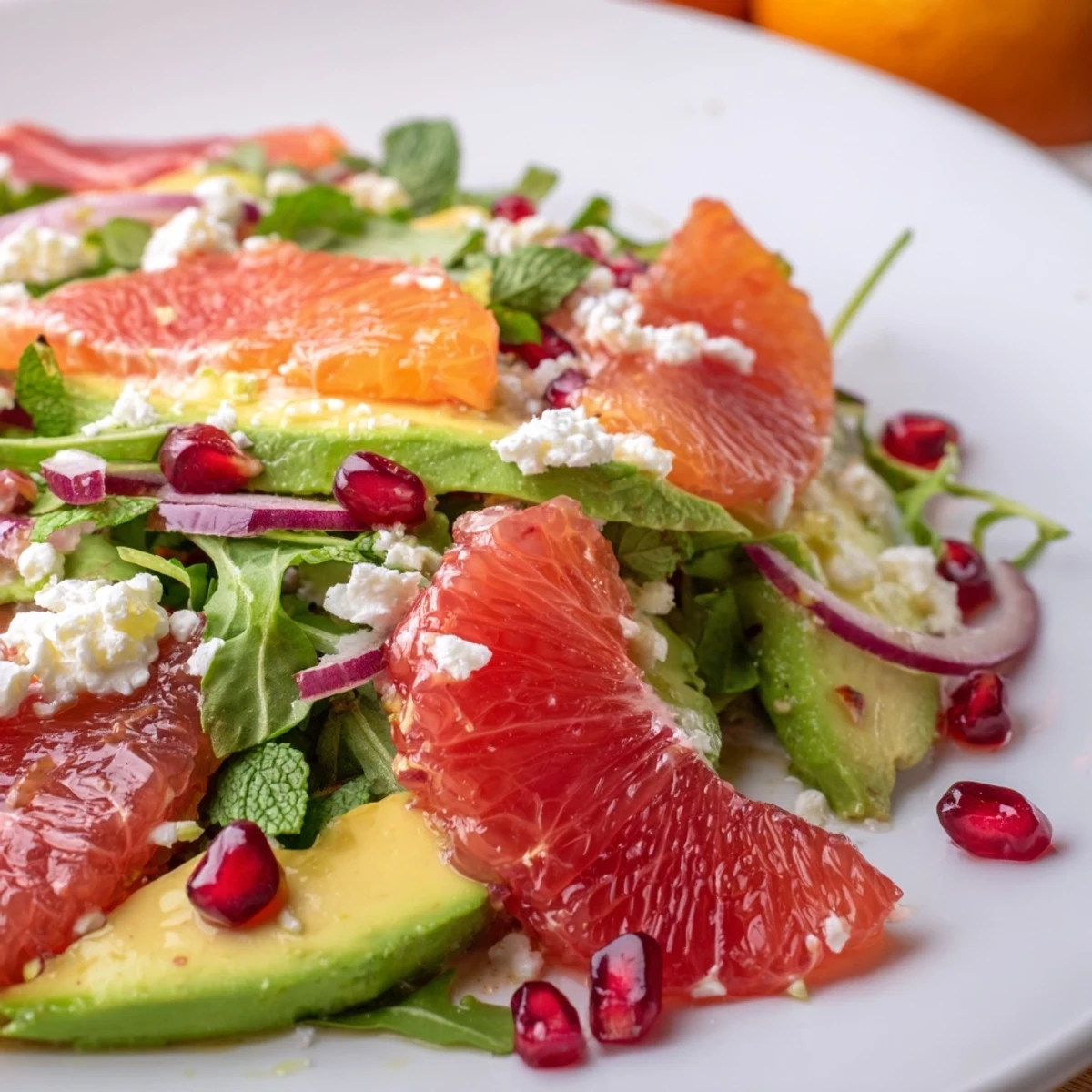
Save This is the kind of recipe you memorize after making it twice, and then it becomes the thing you bring to every gathering without being asked. Keep it bright, keep it simple, and let the colors do most of the talking.
Recipe FAQs
- → Can I prepare this citrus salad ahead of time?
-
You can prep the dressing and slice the citrus up to a few hours in advance, storing them separately in the refrigerator. However, wait to slice the avocado and assemble the full salad until just before serving to keep everything fresh and vibrant.
- → What's the best way to extract pomegranate arils?
-
Cut the pomegranate in half and gently tap the outside with a wooden spoon over a bowl. The arils will fall out easily. You can also do this submerged in water to prevent staining—the arils sink while the white membrane floats.
- → Which citrus fruits work best for this salad?
-
Naval oranges and pink or ruby red grapefruits are ideal for their sweetness and vibrant color. Blood oranges add a stunning visual touch. Avoid overly tart varieties like white grapefruit unless you enjoy a sharper flavor profile.
- → How do I keep the avocado from browning?
-
Slice the avocado right before assembling and toss it gently with a squeeze of lemon juice. The acidity helps slow oxidation. Serving immediately after assembly also ensures the avocado looks and tastes its best.
- → What can I substitute for feta cheese?
-
Goat cheese makes a great alternative with a tangier flavor profile. For a dairy-free version, try a plant-based feta crumble. Toasted pistachios or walnuts can also add a savory, salty element without any cheese at all.
- → Is this salad suitable for vegans?
-
Simply swap the honey in the dressing for maple syrup and use a plant-based feta alternative. The rest of the ingredients are naturally vegan-friendly, making it an easy adjustment.