 Save
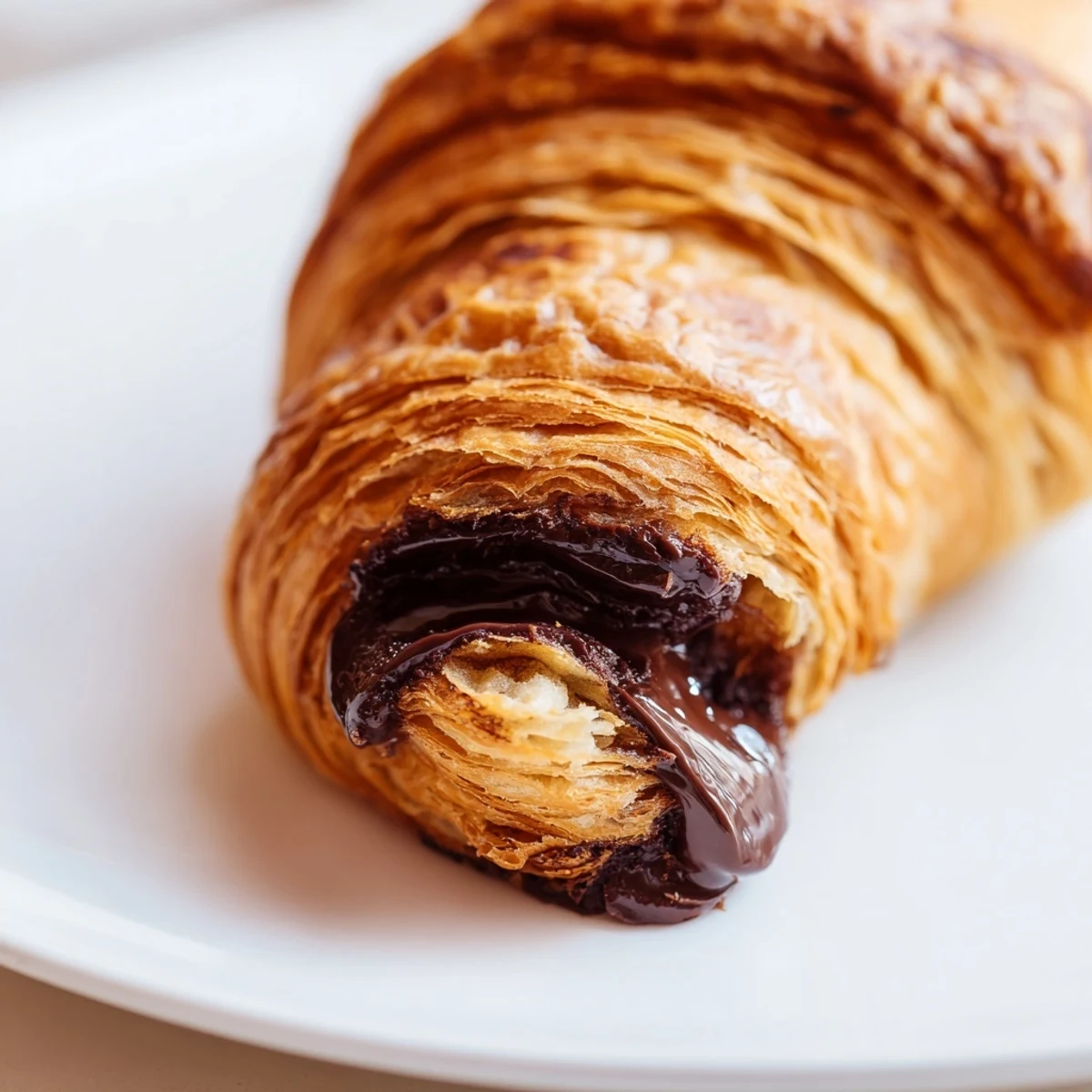
Save These homemade chocolate croissants feature flaky, buttery layers with rich chocolate filling. The process involves creating a laminated dough through multiple folds, chilling periods, and careful shaping. Perfect for breakfast or special occasions, these pastries require patience but deliver exceptional results with their golden, crisp exterior and tender interior.
My tiny apartment kitchen was barely six feet wide, but I spent an entire weekend there attempting chocolate croissants after a friend challenged me with store-bought ones. Flour dusted every surface, my arms ached from rolling, and I nearly gave up during the third fold. That first batch came out misshapen and pale, but one bite revealed those honeycomb layers inside, and I was completely ruined for anything else.
Last December I made a double batch for Christmas morning, setting my alarm for 4am to get them proofing and baked. My sister walked into the kitchen half asleep, took one whiff, and immediately demanded to know which bakery Id broken into. Seeing her face light up when I pulled that sheet tray out, all golden and glossy, made every fold and chill completely worth it.
Ingredients
- 2 1/4 cups all-purpose flour: Bread flour gives extra chew, but regular flour works perfectly for that classic tender crumb.
- 2 tbsp granulated sugar: Just enough to help browning and balance the dark chocolate without making these sweet.
- 1 tsp salt: Do not skip this, salt is what makes all that butter actually taste like something.
- 2 1/4 tsp active dry yeast: Instant yeast works too if that is what you have, just mix it directly with the flour.
- 3/4 cup whole milk: Warm it to body temperature, like bathwater, so it activates the yeast without killing it.
- 2 tbsp unsalted butter softened: This goes into the dough itself, not the butter block, for extra richness.
- 1 cup cold unsalted butter: European style has less water and creates better layers, but any high quality butter works.
- 4 oz bittersweet chocolate: Chocolate batons are easiest but chopped bars work fine, just do not use chips.
- 1 large egg + 1 tbsp milk: Whisked together for that deep glossy finish that makes them look professional.
Instructions
- Wake up the yeast:
- Dissolve the yeast in warm milk and wait five minutes until it looks foamy on top, which tells you it is alive and working.
- Mix the dough:
- Combine flour, sugar, salt, softened butter, and the yeast mixture until it comes together, then knead for about seven minutes until smooth and elastic.
- First chill:
- Shape the dough into a neat rectangle, wrap it tightly, and refrigerate for an hour so the gluten relaxes and everything cools completely.
- Make the butter block:
- Pound cold butter between parchment sheets into an even six by eight rectangle, keeping it cold but pliable like clay.
- Lock in the butter:
- Roll the dough into a ten by fourteen rectangle, place the butter on one half, fold the dough over, and pinch the edges to seal the butter inside.
- First fold:
- Roll the dough gently into a ten by twenty rectangle, fold it into thirds like a letter, wrap it, and chill for thirty minutes.
- Second fold:
- Roll, fold into thirds again, chill for thirty more minutes, then repeat once more for a total of three folds with chilling between each.
- Shape the croissants:
- Cut the dough into eight rectangles, place chocolate at one end, roll tightly, and arrange them seam side down on a parchment lined sheet.
- Proof them:
- Let them rise at warm room temperature for about two hours until they are puffy and jiggle slightly when you shake the pan.
- Bake:
- Brush with egg wash, bake at 400°F for eighteen to twenty minutes until they are deep golden brown and sound hollow when tapped.
 Save
Save I once tried rushing the chilling time and ended up with butter pooling in the bottom of my oven, setting off every smoke alarm in my building. Now I keep a timer for every chill period and never let the dough sit at room temperature longer than necessary while working. Learning patience with pastry is humbling, but the results speak for themselves.
Getting Those Signature Layers
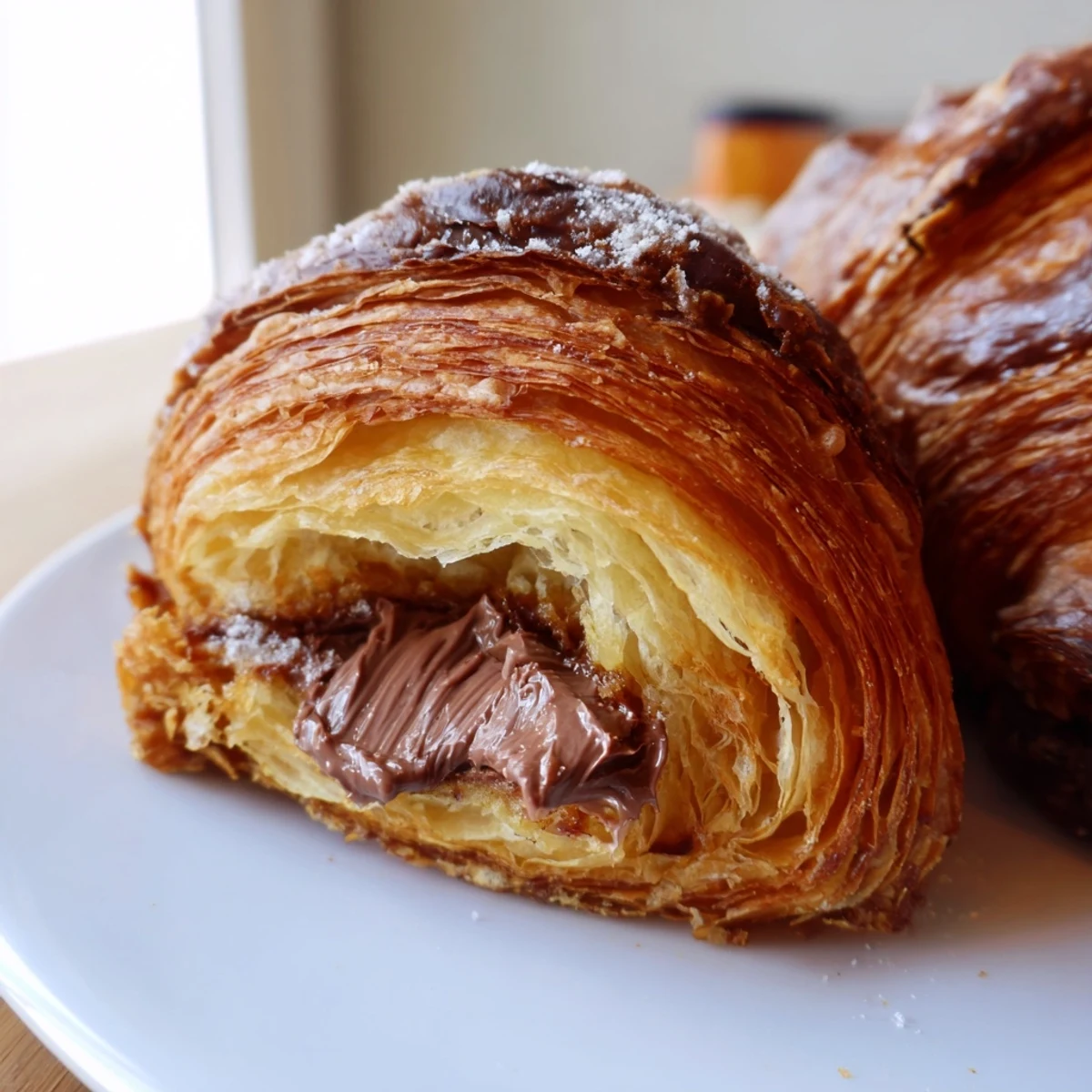
Each fold creates hundreds of alternating layers of butter and dough, and when they hit the hot oven, the water in the butter turns to steam and puffs each layer into flaky perfection. That is why keeping everything cold is absolutely critical, warm butter just melts into the dough instead of creating separate layers.
Choosing Your Chocolate
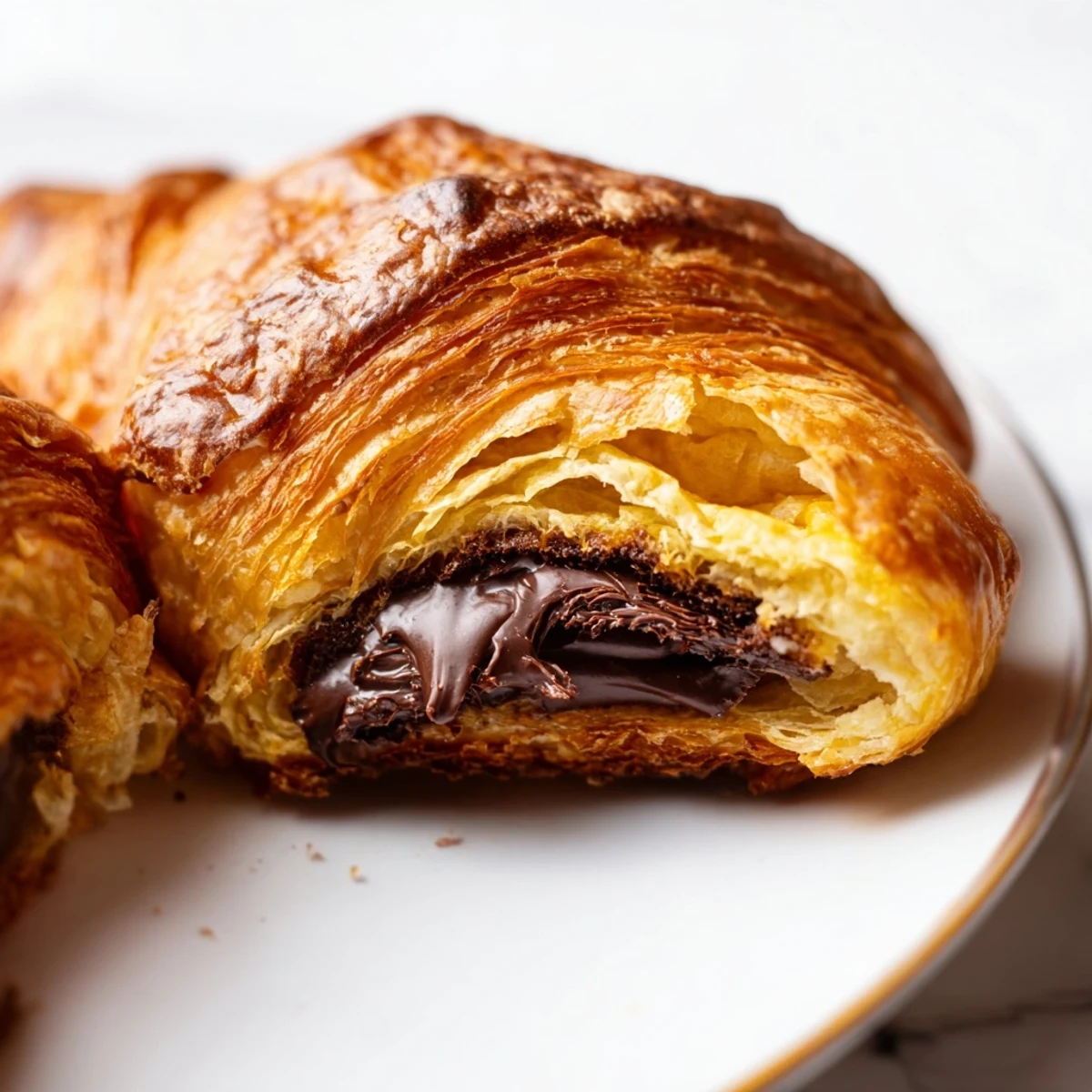
Good chocolate makes these sing, so skip the baking chips which are designed to hold their shape. I like using a bar around 70 percent cocoa for that bittersweet punch that cuts through all the butter, but semisweet works if you prefer things on the sweeter side.
Make Ahead Magic
You can freeze the shaped, unbaked croissants right on the baking sheet, then transfer them to a bag once frozen solid. The night before you want them, set them on a parchment lined baking sheet, cover loosely, and let them thaw and proof on the counter overnight. Bake them straight from the counter in the morning and you will look like a pastry wizard with zero morning effort.
- Brush frozen croissants with egg wash while they are still cold so it does not drip off.
- Add an extra thirty minutes to the proofing time if your kitchen runs cool.
- Bake them straight from the counter, never refrigerate after proofing or the cold shock ruins the rise.
 Save
Save There is something profoundly satisfying about making something so impressive from such humble ingredients. Your first batch might not be bakery perfect, but they will still be absolutely delicious, and that is what matters most.
Recipe FAQs
- → Can I use different types of chocolate?
-
Yes, you can use bittersweet, semisweet, or even dark chocolate. For a sweeter version, milk chocolate works well too. Just ensure the chocolate is good quality and chopped into small pieces or batons for even distribution.
- → How important is the butter quality?
-
Using high-quality European-style butter is recommended for extra flakiness due to its higher fat content. The cold butter creates the distinct layers that make croissants so flaky when baked.
- → Can I freeze the croissants?
-
Yes, you can freeze shaped but unbaked croissants for up to one month. Thaw them overnight in the refrigerator and allow them to proof at room temperature before baking for best results.
- → What's the best way to serve these?
-
Enjoy warm with coffee or tea. For a sweeter finish, dust lightly with powdered sugar. They're perfect for breakfast, brunch, or as a special dessert.
- → How do I know when they're done baking?
-
The croissants should be deep golden brown and crisp. They'll rise significantly during baking and develop a beautiful flaky texture. The internal temperature should reach around 190°F (88°C) when fully cooked.