
 Save
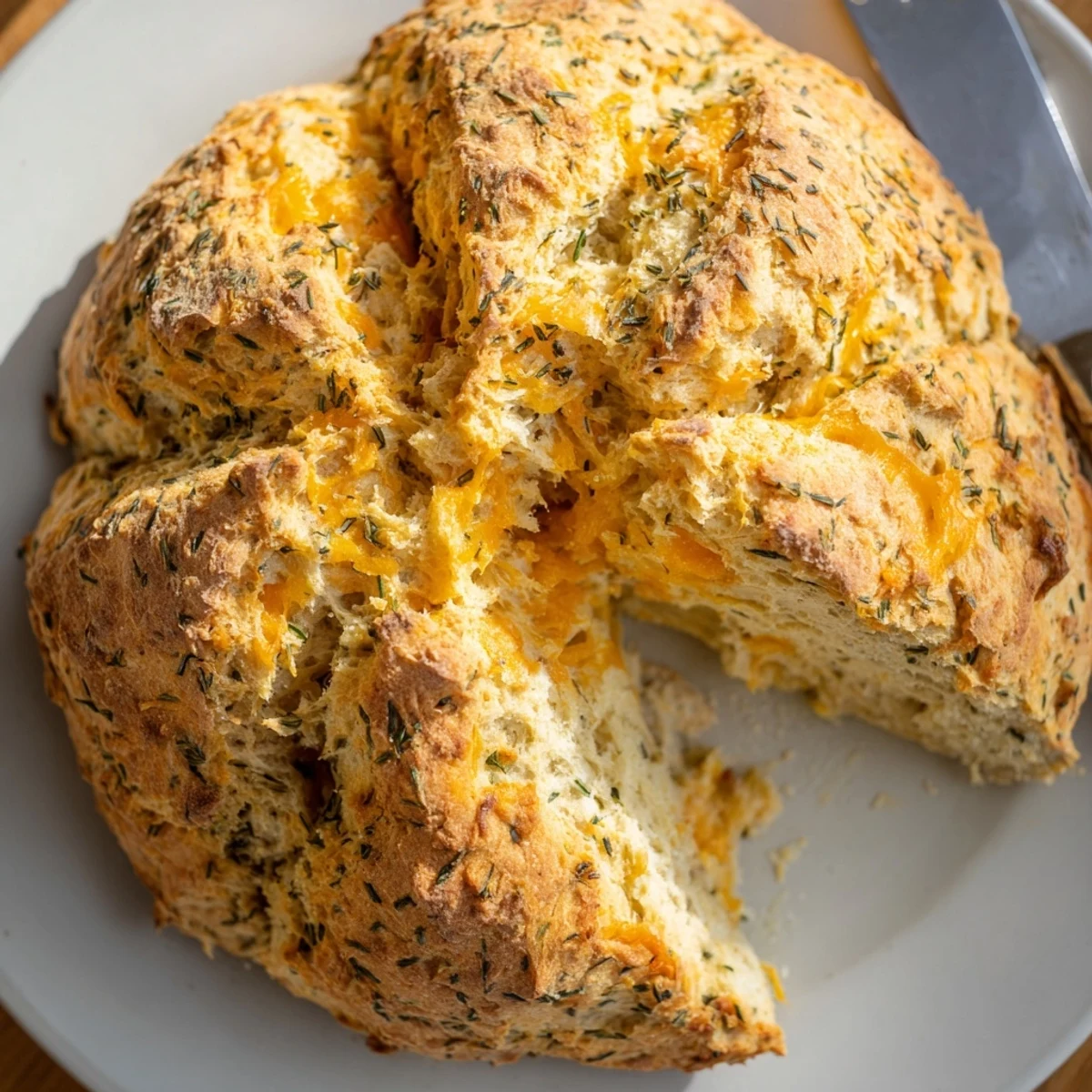
Save This traditional Irish quick bread combines sharp cheddar cheese with a medley of fresh herbs—chives, parsley, and thyme—baked into a golden, crusty loaf. The dough comes together in minutes without yeast or kneading, making it an ideal side for soups, stews, or breakfast spreads. Brushed with butter and baked until golden brown, the loaf develops a rustic texture with a soft, flavorful interior. Best served warm with extra butter, this bread offers savory comfort in every slice.
The first time I made soda bread, I was skeptical something so simple could taste good. No yeast, no proofing, no waiting—just stir and bake. But when that golden loaf emerged from the oven, smelling of warm cheese and herbs, I understood why this has been a staple for generations. It is now my go-to when unexpected guests arrive or soup needs a companion.
Last winter, a friend dropped by during a snowstorm with nothing but a container of leftover soup. I threw together this bread, and we stood in the kitchen tearing off warm chunks while the snow piled up outside. She still talks about that afternoon, and honestly, it was the bread that made the moment.
Ingredients
- 3 ½ cups all-purpose flour: The foundation of the loaf, providing structure without the need for yeast
- 1 tsp salt: Essential for flavor and helps balance the rich cheese
- 1 tsp baking soda: The leavening agent that makes the bread rise instantly when combined with buttermilk
- 1 tsp freshly ground black pepper: Adds a subtle warmth that complements the sharp cheddar
- 1 ½ cups sharp cheddar cheese, coarsely grated: Creates pockets of melted goodness throughout the crumb and a golden, flavorful crust
- 3 tbsp fresh chives, finely chopped: Brings a mild onion flavor that brightens the rich cheese
- 2 tbsp fresh parsley, finely chopped: Adds freshness and color to balance the heaviness of the cheese
- 1 tbsp fresh thyme leaves: Earthy and aromatic, thyme pairs beautifully with both cheddar and bread
- 1 ⅔ cups buttermilk: Reacts with baking soda to create lift and adds a subtle tang
- 2 tbsp unsalted butter, melted: Enriches the dough and helps create a tender crumb
Instructions
- Preheat your oven to 425°F and line a baking sheet:
- A hot oven is crucial for that initial rise, so give it plenty of time to fully preheat while you gather ingredients
- Whisk together the dry ingredients in a large bowl:
- Combining flour, salt, baking soda, and pepper ensures even distribution, preventing any salty spots in the finished loaf
- Add the cheese and herbs to the flour mixture:
- Toss everything together until the cheese bits are coated in flour, which helps prevent them from clumping together
- Create a well in the center and pour in buttermilk and melted butter:
- Stir with a fork just until the dough comes together, remembering that a few shaggy bits are better than an overworked, tough bread
- Shape the dough gently into a round loaf:
- Pat the dough on a floured surface into a 7 inch round about 2 inches high, handling it as little as possible to keep it tender
- Cut a deep cross on top of the loaf:
- This traditional score helps the bread expand properly in the oven and creates those classic four sections for easy tearing
- Brush with extra melted butter if desired:
- This step is optional but adds beautiful golden color and extra richness to the finished crust
- Bake for 30 to 35 minutes until golden and hollow sounding:
- The loaf is done when the bottom sounds hollow when tapped and the crust has turned a deep golden brown
- Cool on a wire rack before serving:
- Letting the bread rest for at least 15 minutes makes slicing easier and allows the crumb to set properly
 Save
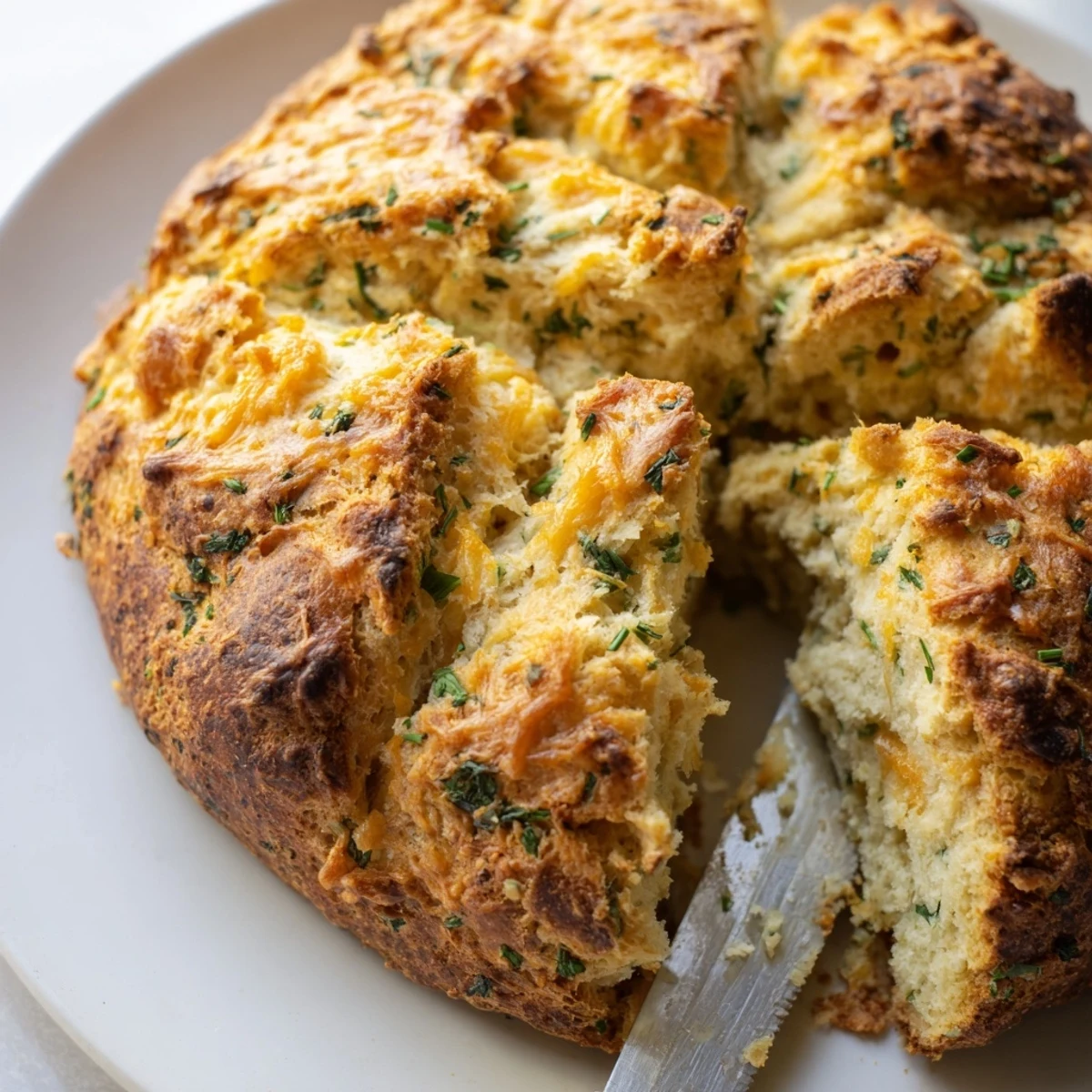
Save This bread became a weekend tradition during my first year of teaching, when Sunday afternoons meant lesson planning and grading papers. Something about the rhythm of stirring together simple ingredients and waiting for the bread to bake made everything feel manageable. Those warm, cheesy slices got me through many Monday mornings.
Choosing Your Cheese
Sharp cheddar provides the best flavor impact, but I have learned that aged varieties can become slightly oily during baking. A moderately sharp cheddar melts beautifully while maintaining its structure. For extra depth, try mixing in a bit of gruyere or parmesan with the cheddar.
Herb Variations
Fresh herbs make all the difference here, but the combination can change with the season or what is available. Rosemary adds a piney note that works wonderfully with the cheese, while dill brings a bright freshness perfect for summer. Dried herbs work in a pinch, but use about one third the amount since their flavor is more concentrated.
Serving Suggestions
This bread is incredibly versatile beyond just soup. Toast slices and top with avocado for breakfast, or use them as the base for an open faced sandwich. The leftovers make excellent croutons when cubed and toasted in butter.
- Warm leftover slices in the oven for 5 minutes to refresh the crust
- Freeze individual portions wrapped tightly for up to a month
- Slice extra thick for French toast with a savory twist
 Save
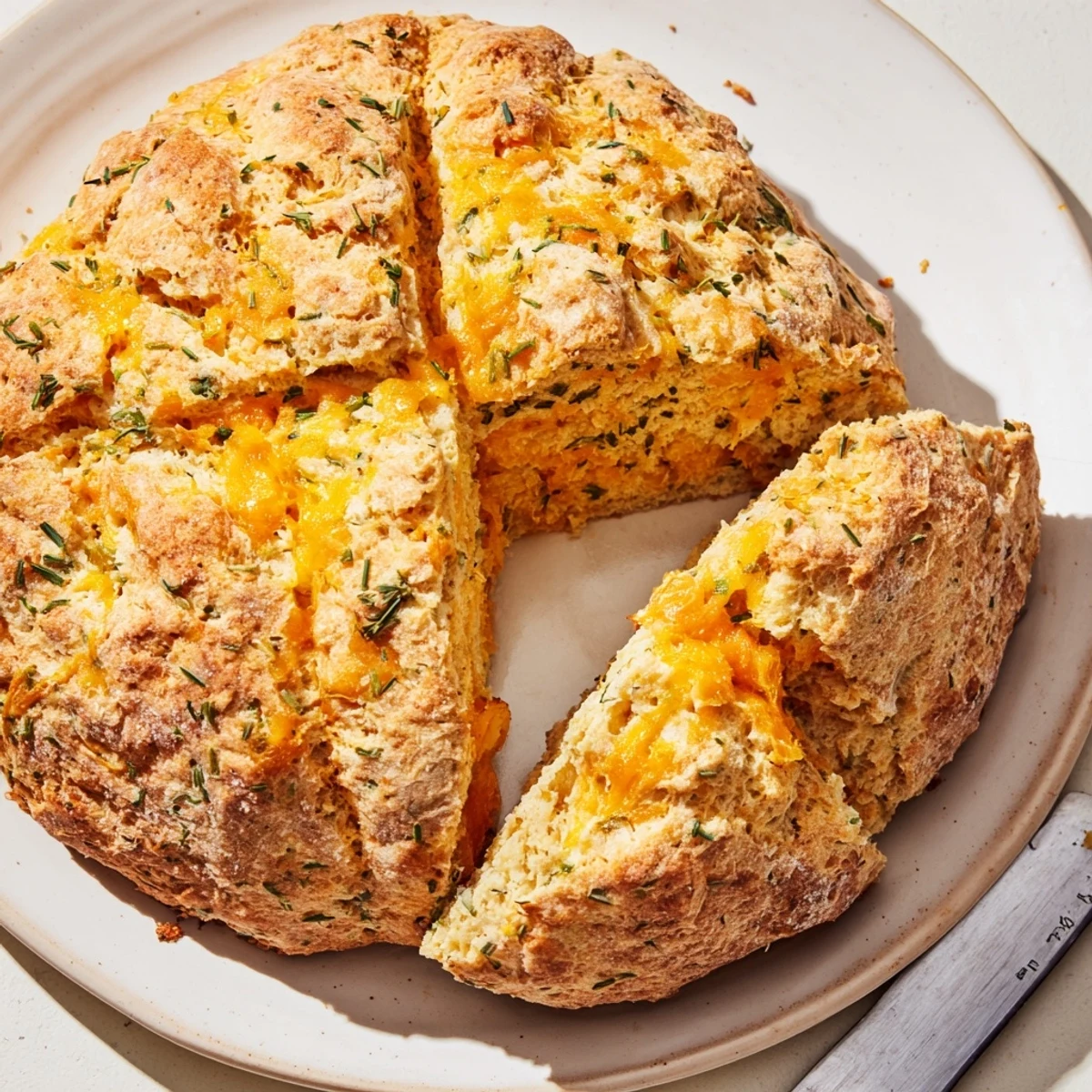
Save There is something deeply satisfying about making your own bread, especially one that comes together so quickly. May your kitchen smell like warm cheese and herbs very soon.
Recipe FAQs
- → What makes soda bread different from regular bread?
-
Soda bread relies on baking soda and buttermilk for rising instead of yeast. This chemical reaction creates carbon dioxide bubbles, resulting in a denser, crumbly texture with no kneading or proofing required.
- → Can I use dried herbs instead of fresh?
-
Yes, substitute dried herbs at one-third the amount. Use 1 tablespoon each of dried chives and parsley, and 1 teaspoon of dried thyme. Fresh herbs provide brighter flavor, but dried work well in a pinch.
- → How do I know when the bread is done baking?
-
The loaf is ready when the crust is golden brown and the bottom sounds hollow when tapped. An instant thermometer inserted into the center should read 190-200°F (88-93°C). This typically takes 30-35 minutes at 425°F.
- → What can I serve with cheddar herb soda bread?
-
This bread pairs beautifully with tomato soup, potato leek soup, or beef stew. It's also excellent for breakfast with eggs, or simply sliced warm with salted butter. The savory flavors complement creamy or brothy dishes equally well.
- → How should I store leftovers?
-
Wrap the cooled loaf tightly in plastic wrap or place in an airtight container. It keeps well at room temperature for 2 days. For longer storage, slice and freeze individual portions in freezer bags for up to 3 months. Reheat in a 350°F oven for 10 minutes.
- → Can I make this dairy-free?
-
Substitute plant-based buttermilk (mix vinegar into non-dairy milk) and use vegan cheddar shreds. Replace butter with melted coconut oil or olive oil. The texture will be slightly different but still delicious.