
 Save
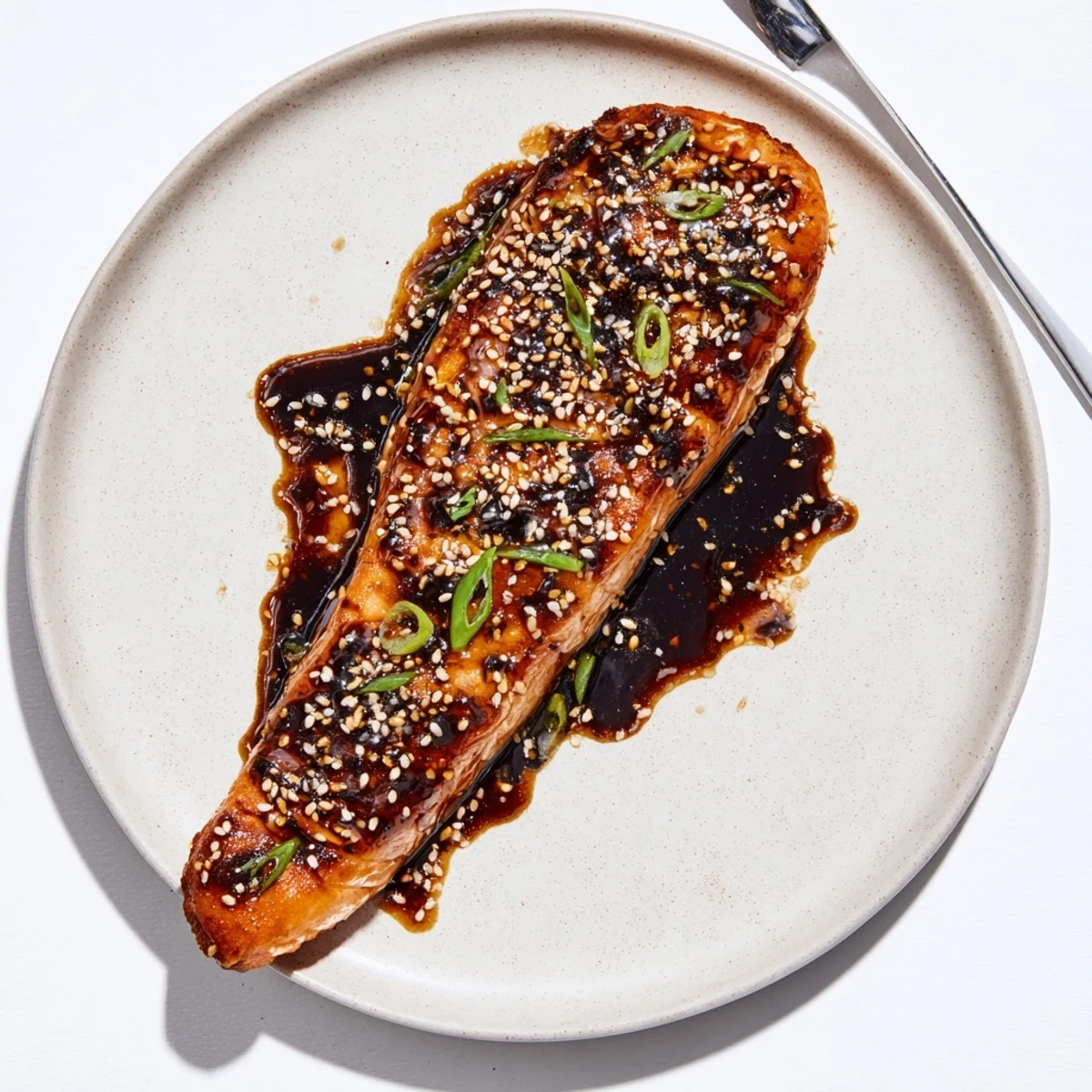
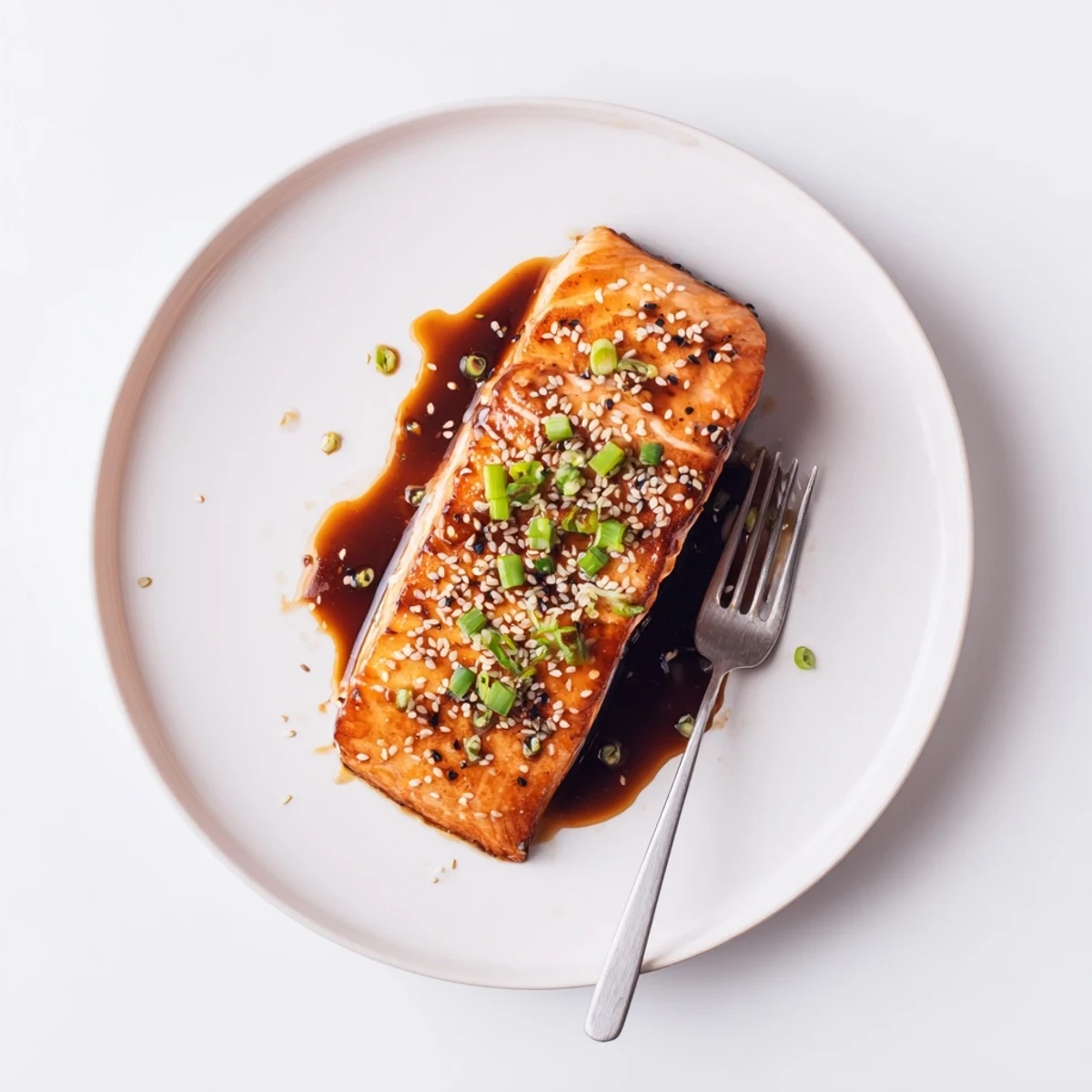
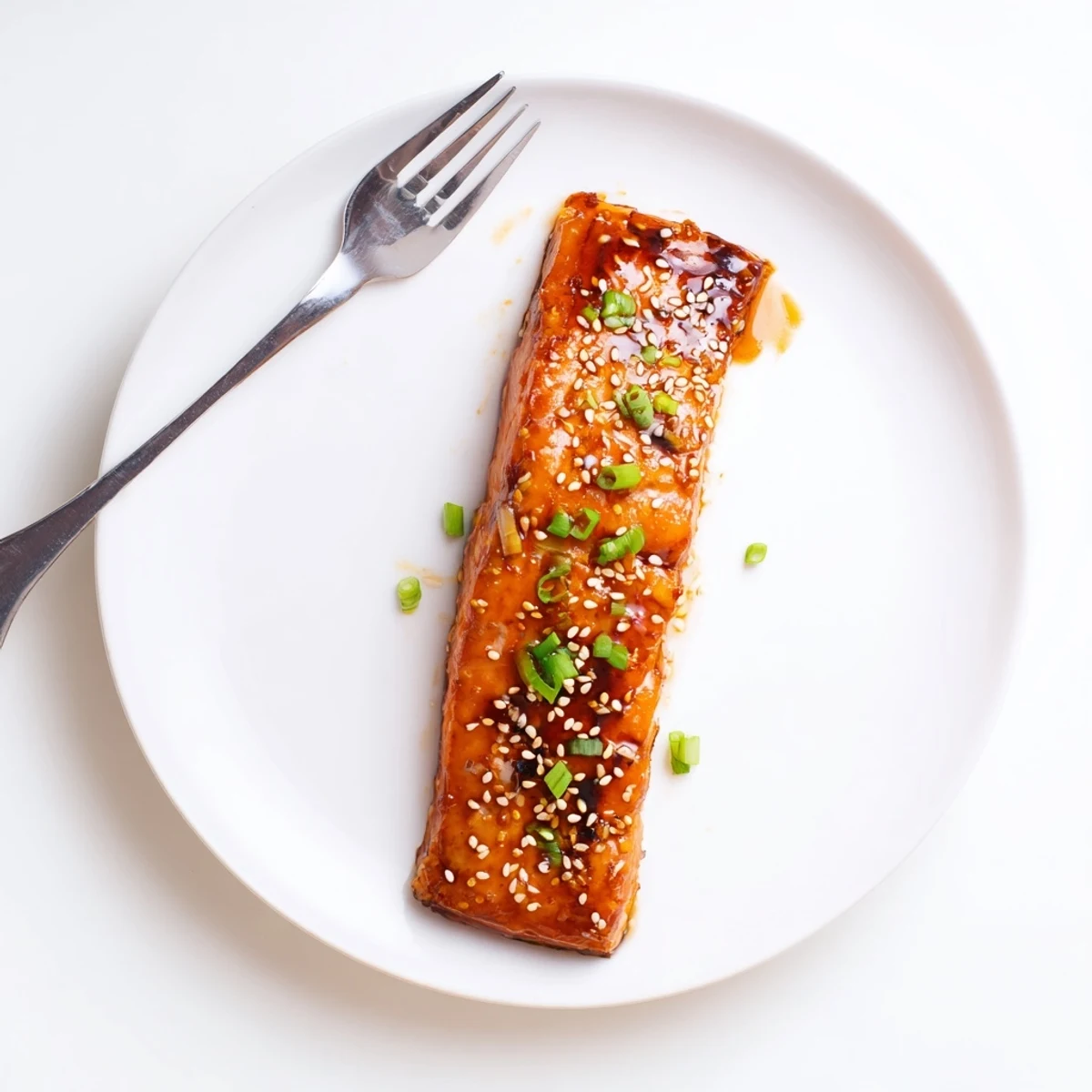
Save This baked teriyaki salmon yields glossy, slightly caramelized fillets in about 30 minutes. A quick teriyaki glaze—soy, mirin, honey, brown sugar, rice vinegar, garlic and ginger—is simmered until slightly thickened, brushed on before baking and again after cooking. Finish with sesame seeds and spring onions; serve with steamed rice and sautéed greens. For gluten-free use tamari; swap maple for honey for a plant-based glaze.
The moment the aroma of caramelizing teriyaki hits the air, I always feel my shoulders drop in anticipation of something special. It’s not flashy, but the simple act of brushing glistening sauce over salmon turns an easy dinner into an event. I first made this dish late on a rainy Friday, craving comfort and just a hint of sweetness without any fuss. Sometimes it’s those unplanned kitchen triumphs, fueled by a little improvisation and hunger, that end up in regular rotation.
One memorable evening, I’d promised a friend a ‘quick’ dinner before a movie and realized halfway through I was out of store-bought teriyaki. A fast homemade mix, some nervous taste-testing, and twenty minutes later—the kitchen filled with laughter as that glossy salmon emerged, far better than any bottled version we’d ever had.
Ingredients
- Salmon fillets: Fresh, plump salmon makes all the difference—always pat them dry for the crispiest edges.
- Soy sauce: Depth and savoriness start here; opt for tamari if keeping things gluten-free.
- Mirin or dry sherry: Mirin is classic, but a good dry sherry brings just enough sweetness if that’s all you have.
- Honey or maple syrup: Natural sweetness helps the glaze caramelize—maple syrup adds a hint of earthiness.
- Brown sugar: Only a little sugar lifts the sauce’s body and balances the salt.
- Rice vinegar: The subtle tang cuts the richness; don’t skip it.
- Garlic: Finely minced for an aromatic punch throughout every mouthful.
- Fresh ginger: Grate it at the last minute to keep that bright, spicy warmth.
- Sesame oil: Adds toasted depth that brings the marinade together at the end.
- Sesame seeds: A quick toasting in a pan before sprinkling brings out incredible nuttiness.
- Spring onions: Crisp, fresh, and green on top for a final flourish.
Instructions
- Heat the oven and prepare your tray:
- Switch on the oven to 200°C (400°F), lining your tray with parchment or a slick of oil—it saves you from stubborn, sticky cleanup later.
- Mix and simmer the teriyaki sauce:
- Tip all the sauce ingredients into a small saucepan and let the scents of ginger and garlic rise as the mixture simmers; stir and watch as it darkens and thickens into a glossy pool.
- Brush the salmon and start the bake:
- Arrange the salmon fillets spaced apart, then brush them generously with half the sauce—don’t forget the sides, it's worth the minute of care.
- Bake to tender perfection:
- Slide the tray in the oven and let the salmon roast until just cooked—the aroma makes patience a real task, but the fillets should flake easily with a fork.
- Finish and serve:
- Once baked, brush with the rest of the teriyaki sauce so they glisten, then toss on sesame seeds and spring onions right before serving for crunch and color.
 Save
Save Sometimes, serving this to someone new turns a quiet dinner into a table full of chatter, as forks dive in and everyone asks for just one more spoonful of sauce.
Salmon Shortcuts I Wish I'd Tried Sooner
After batch-testing for busy weeknights, I discovered patting the salmon dry and letting it sit for a few minutes helps the teriyaki actually stick, not slide off in puddles. Sometimes, the little tweaks save the day and your plating.
Customizing The Glaze For Any Palette
If you're feeling bold, a tiny pinch of chili flakes in the sauce delivers a subtle warmth that sneaks up perfectly. I've also swapped brown sugar for coconut sugar, which gives a deeper color and a whisper of molasses.
What To Serve Alongside (And Leftover Magic)
I like pairing this with plain steamed rice that soaks up every last drop, or quick sautéed greens for contrast. If any is left over, cold teriyaki salmon makes stellar rice bowls the next day. If you get requests for more sauce, double the marinade and save half before baking for drizzling at the table.
- Use a wide spatula when serving to keep the fillets intact.
- If storing leftovers, keep the garnishes separate to avoid sogginess.
- A squeeze of lemon brightens everything at the end.
 Save
Save This meal always reminds me that simple, sticky glazed salmon can turn an ordinary night extraordinary. May your kitchen be filled with laughter and fragrant steam as you cook.
Recipe FAQs
- → What oven temperature and time ensure tender salmon?
-
Preheat to 200°C (400°F) and bake 12–15 minutes for 150–180 g fillets. Thicker fillets may need a couple more minutes; cook until the fish flakes easily and is just opaque in the center.
- → Should I bake salmon skin-on or skinless?
-
Skin-on helps hold the fillet together and crisps at the base; skinless gives more direct glaze contact. Either works—leave skin on if you want extra texture and easier handling.
- → How do I thicken the teriyaki glaze without over-reducing?
-
Simmer the sauce briefly until it coats the back of a spoon, about 3–4 minutes. Stir constantly to dissolve sugar; remove from heat to cool slightly before brushing to avoid burning the glaze while baking.
- → Can I make this ahead and reheat without drying the fish?
-
Gently reheat in a low oven (150°C / 300°F) for 8–10 minutes, covered with foil to retain moisture. Reapply a little warm glaze after reheating to refresh the finish.
- → What are good swaps for soy and honey due to allergies or preferences?
-
Use tamari for a gluten-free soy substitute. Swap honey for maple syrup or agave for a vegan-friendly glaze; adjust sweetness to taste. For a reduced-sodium approach, dilute soy with a bit of water and increase mirin slightly.
- → What side dishes and wine pairings complement the dish?
-
Serve with steamed rice and quick sautéed greens or bok choy. A crisp Sauvignon Blanc or chilled green tea balances the glaze's sweetness and highlights the fish's richness.