
 Save
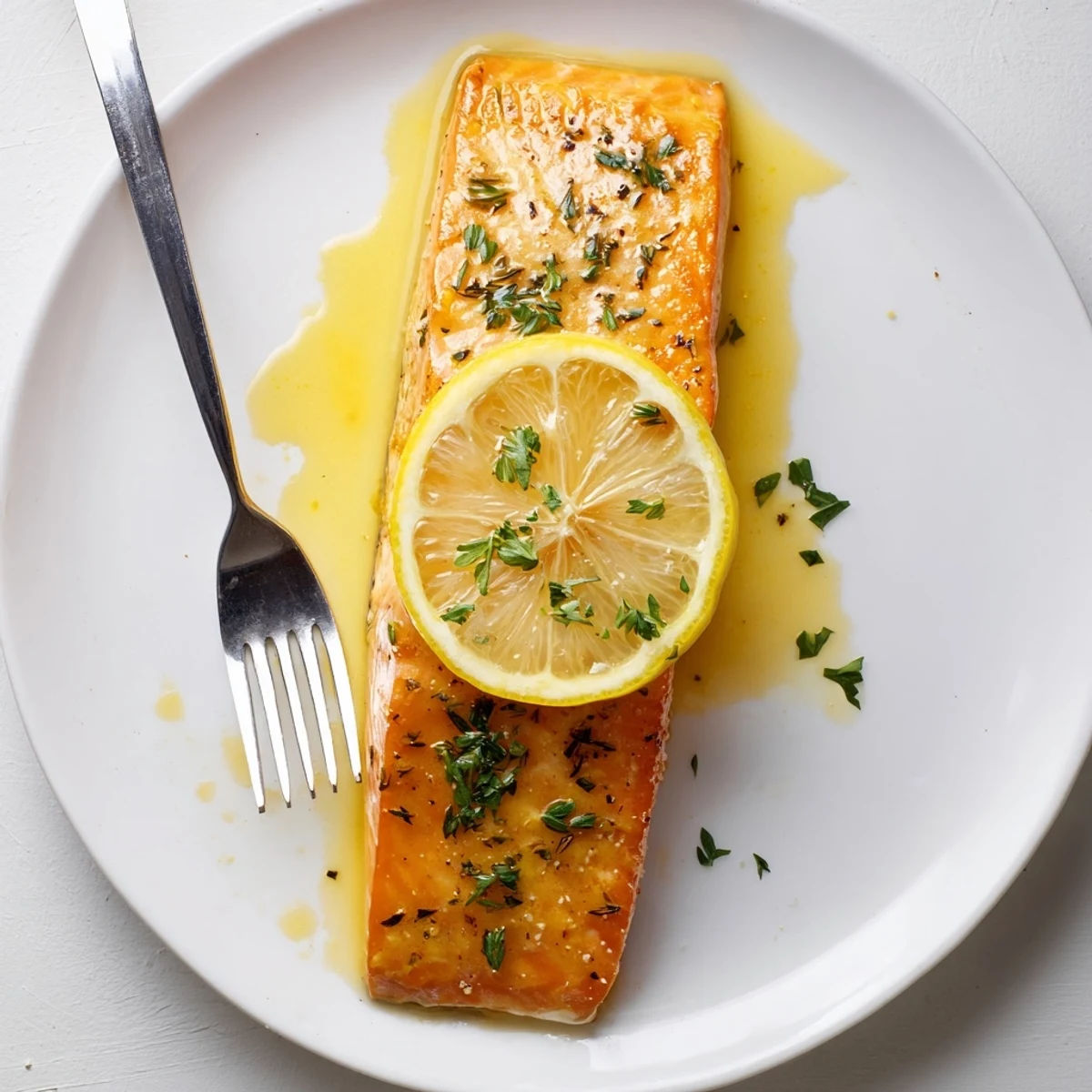
Save Juicy salmon fillets are coated in a lemon-Dijon glaze scented with garlic and thyme, then baked until just flaky. Prep is about 10 minutes and baking 15–18 minutes at 200°C (400°F). For deeper flavor, marinate the fillets up to 30 minutes before baking. Finish with thin lemon slices and chopped parsley. Pair with steamed vegetables, rice or a crisp green salad and a chilled white wine.
The first time I prepared salmon with a punchy lemon Dijon glaze, my kitchen filled with the scent of roasting garlic and citrus, and I found myself grinning as I listened to the bubbling sounds from the oven. It wasn’t a holiday or a special occasion—just a brisk Tuesday when I craved something bright and uncomplicated. I remember squeezing the lemon a little too enthusiastically and catching a few wayward seeds before they landed in the bowl. That bit of chaos just added to the fun, and ultimately, to this dish’s spot in my regular repertoire.
One rainy day, I made this for a friend who’d just come in from a long walk with wet shoes and an equally damp mood. Within minutes, the smell of garlic and lemon started to turn things around, and by the time we pulled the salmon from the oven, we couldn’t stop cracking jokes about who’d get the last piece.
Ingredients
- Salmon fillets: Choose fresh fillets if you can—patting them dry helps the glaze hold on better, whether the skin stays on or off.
- Dijon mustard: This is the backbone of the glaze, adding sharpness—if you prefer things milder, go for whole grain.
- Olive oil: Helps everything meld and keeps the salmon tender, especially if you rub a tiny bit on the pan too.
- Lemon juice & zest: Using both gives that double hit of citrus—grate the zest before you juice the lemon to keep things tidy.
- Garlic: Freshly minced garlic brings serious aroma, so don’t be shy—just don’t let it burn in the glaze.
- Honey: Just a little rounds out the flavors; skip or swap with maple syrup if you need it sugar-free or vegan.
- Thyme: Fresh thyme is subtle here, but dried works; rub it between your fingers to wake up its aroma.
- Salt & black pepper: Essential for balance—season a touch more or less to taste.
- Lemon slices & fresh parsley: Slices on top stay juicy and pretty, while parsley sprinkled at the end gives a fresh finish.
Instructions
- Turn on the oven:
- Set your oven to 200°C (400°F) while you line a baking sheet with parchment or give it a slick of oil; I always love this part because it signals that warmth is coming.
- Make the glaze:
- Whisk Dijon, olive oil, lemon juice and zest, garlic, honey, thyme, salt, and pepper in a small bowl; the citrus aroma will leap out at you.
- Prep the salmon:
- Lay fillets on your baking sheet, skin side down if they have it, and gently blot with a paper towel—less moisture means better flavor grab.
- Glaze generously:
- Brush the glaze on thickly, getting into all the nooks; if some drips under the fillets, even better.
- Add lemon slices:
- Lay a thin round of lemon atop each piece—the look is almost as good as the taste.
- Bake to juicy perfection:
- The salmon needs 15–18 minutes, but peek at 15; it’s ready when it flakes softly with a fork and just turns opaque.
- Finish and serve:
- Scatter parsley over while it’s hot and serve right away; the salmon will still be sizzling and full of flavor.
 Save
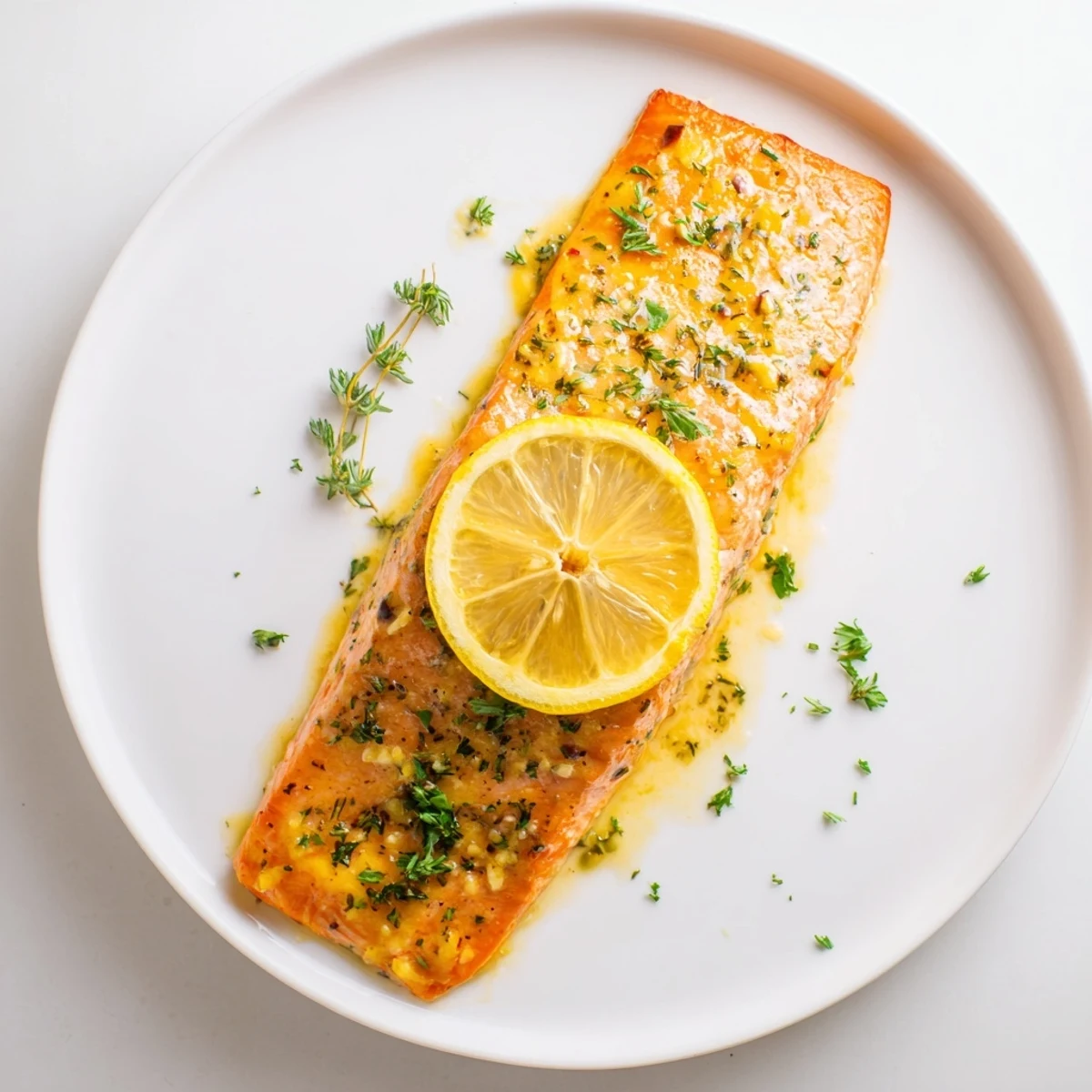
Save Sharing this dish at a little dinner party, I watched people pause after their first bite, nod, and go oddly quiet for a moment—the collective sign of a recipe that’s more than the sum of its parts.
Foolproof Pairings for Your Lemon Dijon Salmon
Steamed green beans or rice on the side catch all the extra glaze perfectly, and a glass of chilled white wine turns this meal into something special. Even when I just serve it with a crisp salad, the zingy salmon always shines as the main event.
How to Adjust for Allergies and Preferences
Swapping the honey for maple syrup—or skipping it altogether—still keeps that lovely taste. If mustard is an issue, Greek yogurt with a splash of vinegar makes a surprisingly good stand-in for the glaze base.
Little Lessons That Make a Big Difference
I’ve learned that zesting the lemon first saves a lot of cleanup, and prepping the glaze before touching the fish keeps things neat. Salmon is forgiving, but those tiny details really elevate the result.
- Pat the salmon completely dry for better adhesion.
- Brush some glaze on the parchment for extra flavor underneath.
- Don’t forget a squeeze of fresh lemon at serving—it just brightens everything up.
 Save
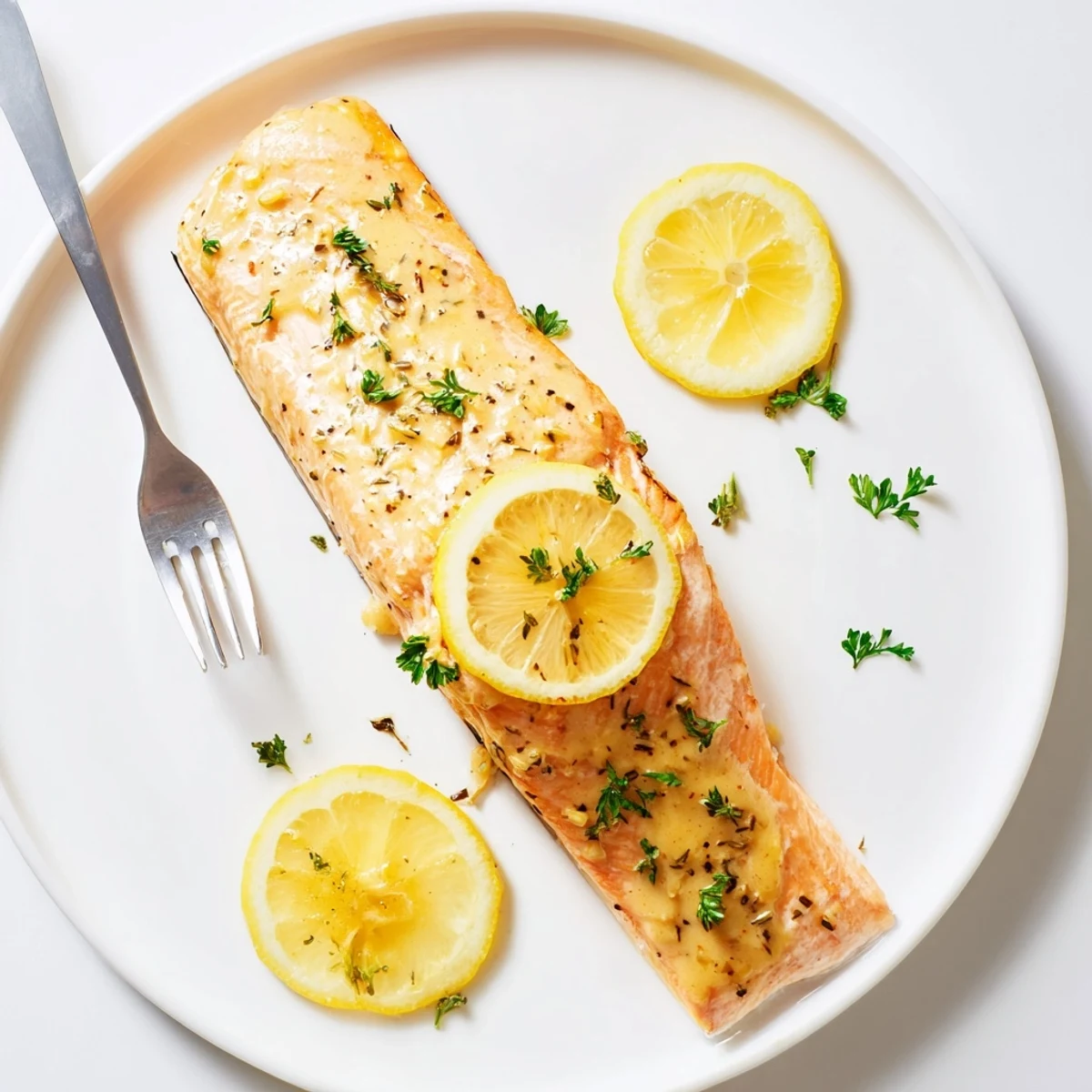
Save No matter how busy the day, there’s something joyful about sliding a tray of this salmon into the oven. I hope this recipe brings as much easy flavor and bright comfort to your table as it has to mine.
Recipe FAQs
- → Can I bake skin-on salmon?
-
Yes. Bake skin-side down to keep the fillet moist; the skin helps protect the flesh and can crisp up if exposed to direct heat. Remove skin after cooking if you prefer.
- → How do I check for doneness?
-
The fish is done when it flakes easily with a fork and the thickest part reaches about 63°C (145°F). Avoid overbaking to keep the fillets tender and moist.
- → Can I marinate the fish ahead of time?
-
Yes, marinate the fillets in the lemon-Dijon mixture for up to 30 minutes to boost flavor. Acid from the lemon will start to change the texture if left much longer.
- → What can I use instead of honey?
-
Maple syrup or a touch of agave work well for a hint of sweetness. You can also omit sweetener entirely for a tangier glaze.
- → Any tips for even cooking?
-
Bring fillets to room temperature for 15 minutes before baking and space them evenly on the baking sheet. Use a single layer and similar thickness pieces for uniform cooking.
- → How should leftovers be stored and reheated?
-
Refrigerate cooled portions in an airtight container for up to 2 days. Reheat gently in a 160°C (325°F) oven for 8–10 minutes or warm briefly in a skillet to avoid drying out.